Why commercials and social media campaigns need a truly unique idea.

YOHOHO is a creative studio in New York and Milan that creates commercials, corporate videos and social media campaigns, always starting from a strategic question: what needs to change in the way the brand is perceived? Here’s how we build campaigns that truly shift the way a brand is seen, felt and remembered.
When it comes to advertising campaigns, many companies still think mainly about formats. A commercial, a key visual, some social media content, maybe a media campaign. As if the problem were choosing the right pieces to produce and distributing them as effectively as possible.
But campaigns don’t start there. They start much earlier. They start from a more important question: what needs to change in the way the brand is perceived?
Sometimes a historic brand needs to be given a new meaning, or a vision has to be supported over time and made credible. Other times a product feature has to be turned into a recognizable attitude, or a new generation has to be reached without losing the brand’s DNA. And sometimes it’s simply a matter of finding an idea strong enough that the audience no longer sees that brand the way it did before.
That’s why at YOHOHO we never build campaigns the same way. We don’t have a formula to replicate. We have a way of working that lets us find the right idea each time, the one that holds together strategy, imagery, content and continuity over time.
The point, then, comes before the campaign: what does it need to communicate?
Campaigns start from what needs to change, even before the medium.
When we start working on an advertising project we almost never start from the format. We don’t immediately ask whether it takes a commercial, a social media campaign, a series of editorial content or an integrated setup across several media. We start from a much more radical question: what needs to happen in the minds of those who come across this brand?
Should they look at it with different eyes? Should they recognize a deeper tone in it? Should they feel it closer and more contemporary? Or should they see in that brand something that wasn’t there before?
It’s a fundamental question, because it completely changes the work that comes after. When the answer is clear, the media find their function on their own. Film, social media, print, website, magazine, newsletter, events and media strategy stop being a sum of elements and start working as a system.
That’s also why very different campaigns can come from the same principle. What changes isn’t the rigor with which we build them. What changes is the problem to solve.
Sometimes a commercial isn’t enough: it takes a social media content plan built over time.
Some brands don’t need a sudden gesture. They need to build trust, consolidate a vision, make it clear over time. In cases like this the campaign doesn’t work like an explosion, but like a slow settling.
That’s what happened with Freddy. The heart of the work was crystal clear: bringing its most distinctive truth back to the center, the idea of sport as the art of movement. In a market where almost every sportswear brand talks about performance, results, goals and endurance, Freddy needed to assert something else. The body as expression. The gesture as art. The athlete as an interpreter, not just a performer.
A single commercial wasn’t enough to do that. It took a broader construction. And in fact the work started from a manifesto film, but then continued for years through editorial content, a social media content plan, magazines and figures able to truly embody that vision, like Jury Chechi, Alessia Maurelli and Nicoletta Manni. In this case the campaign does much more than launch a message: it makes it credible, deepens it and turns it into part of the very perception of the brand.
This, in our view, is where you see the difference between publishing content and truly building a campaign. In the first case you fill the channels; in the second you grow an idea until it seems inevitable.
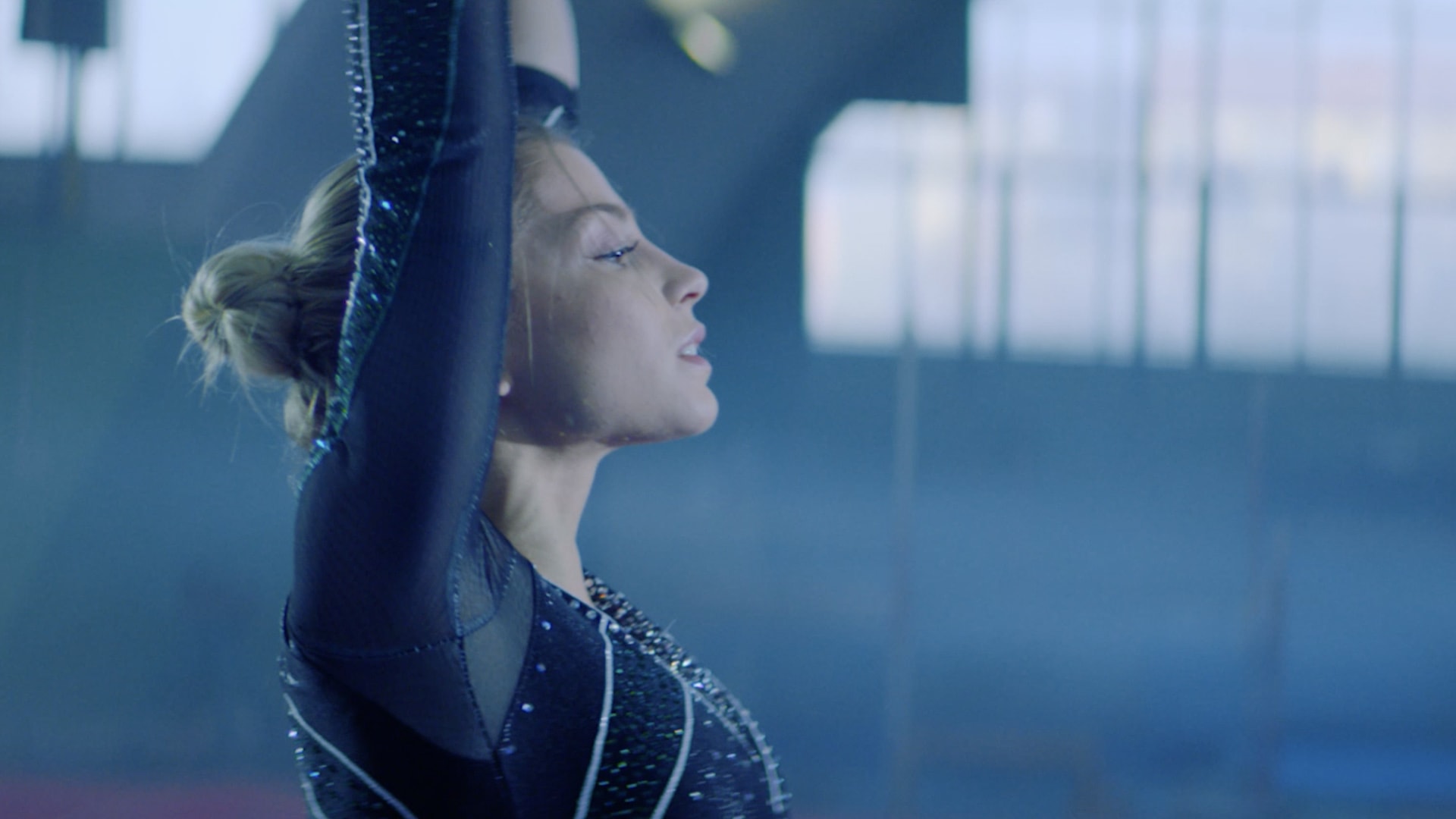
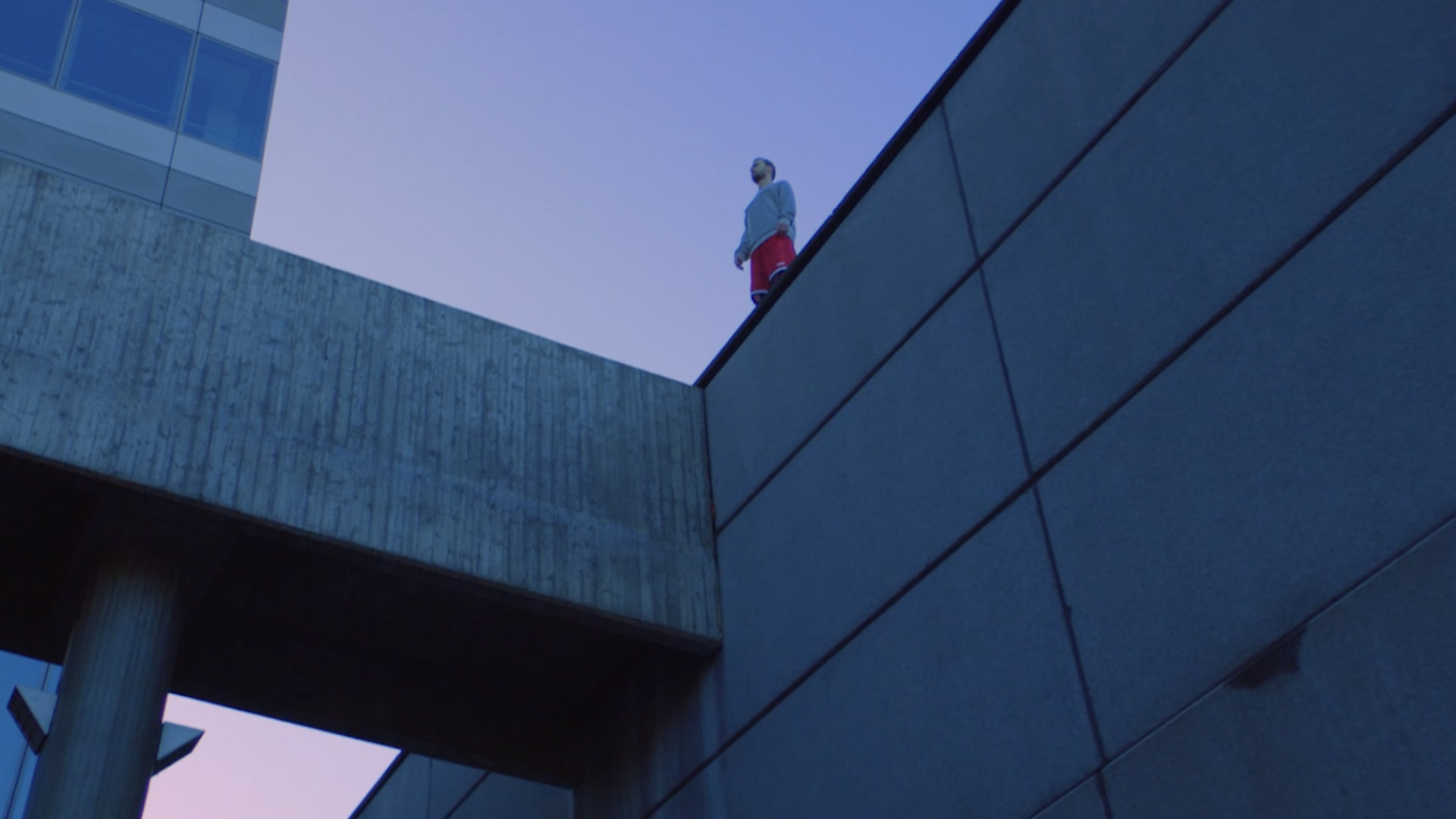
Freddy: The Art Of Movement
Film, Art Direction, Storytelling, Social Content
Sometimes a commercial has to rewrite a brand’s story.
There are other cases where the arrival of a new product doesn’t simply call for communication. It calls for a true rewriting of the brand’s story. And this is the ground where campaigns get interesting.
Lamborghini Urus is one of these cases. It wasn’t just about launching a new model. It was about introducing the world’s first Super SUV and, in the same move, redefining the way Lamborghini talked about itself. Urus forced the brand to broaden its world, to open new roads, new markets, new audiences, but above all to find a formula that held together its DNA and this new possibility.
The answer was Since We Made It Possible. A line that wasn’t only there to sell a product, but to redefine the brand’s attitude: Lamborghini as a brand that makes possible what seems impossible. And that’s what gave the project its strength. From there everything fell into place: the film, social media, the catalogue, the launch event, the campaign website, up to the fact that the tagline was absorbed so deeply that it ended up standing on the very façade of the Industry 4.0 plant in Sant’Agata Bolognese.
When a campaign reaches this level, it stops being a campaign in the strict sense of the word. It becomes a formula that describes the brand from the inside. It’s perhaps the highest point an advertising project can reach: not grabbing attention for a moment, but leaving a mark on the very language of the brand.
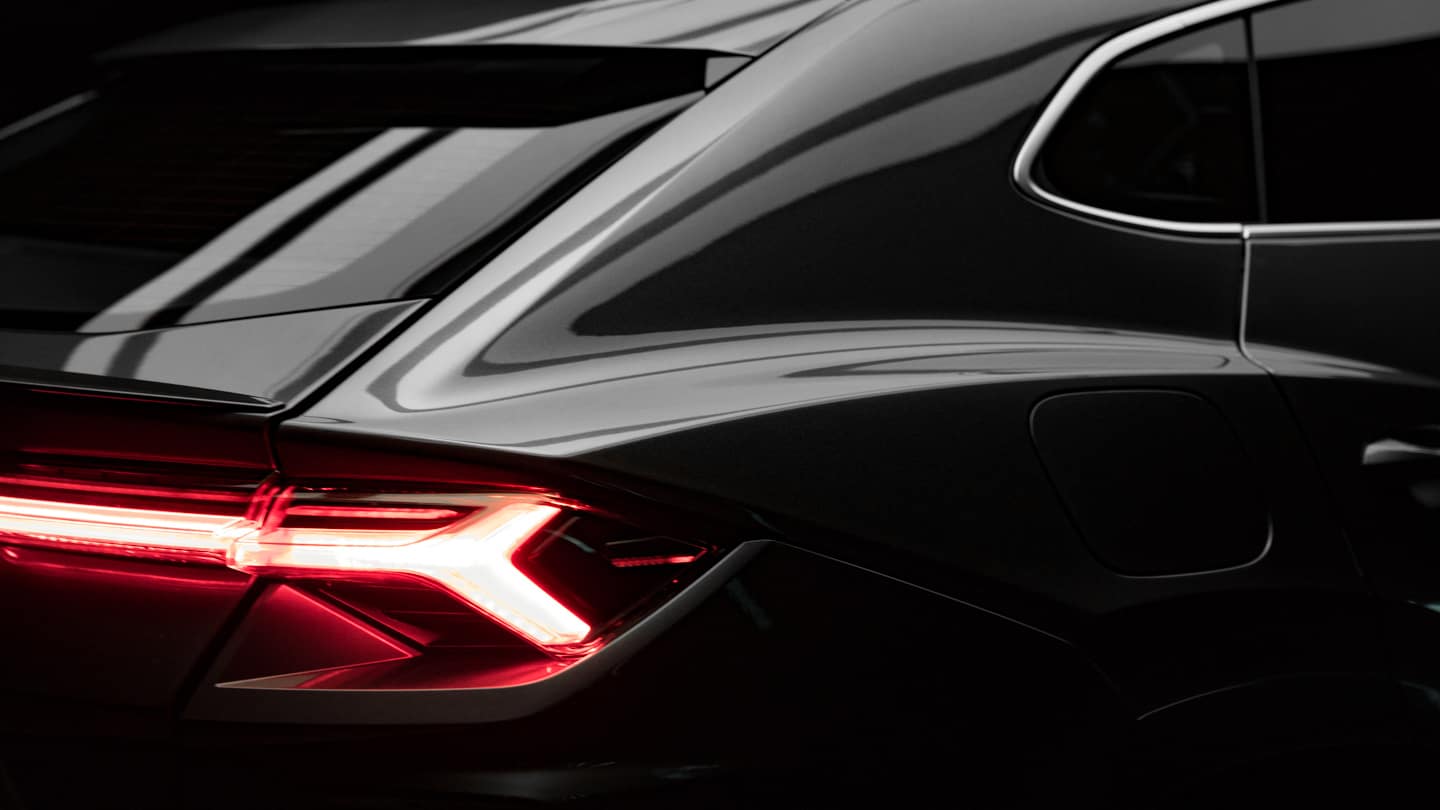
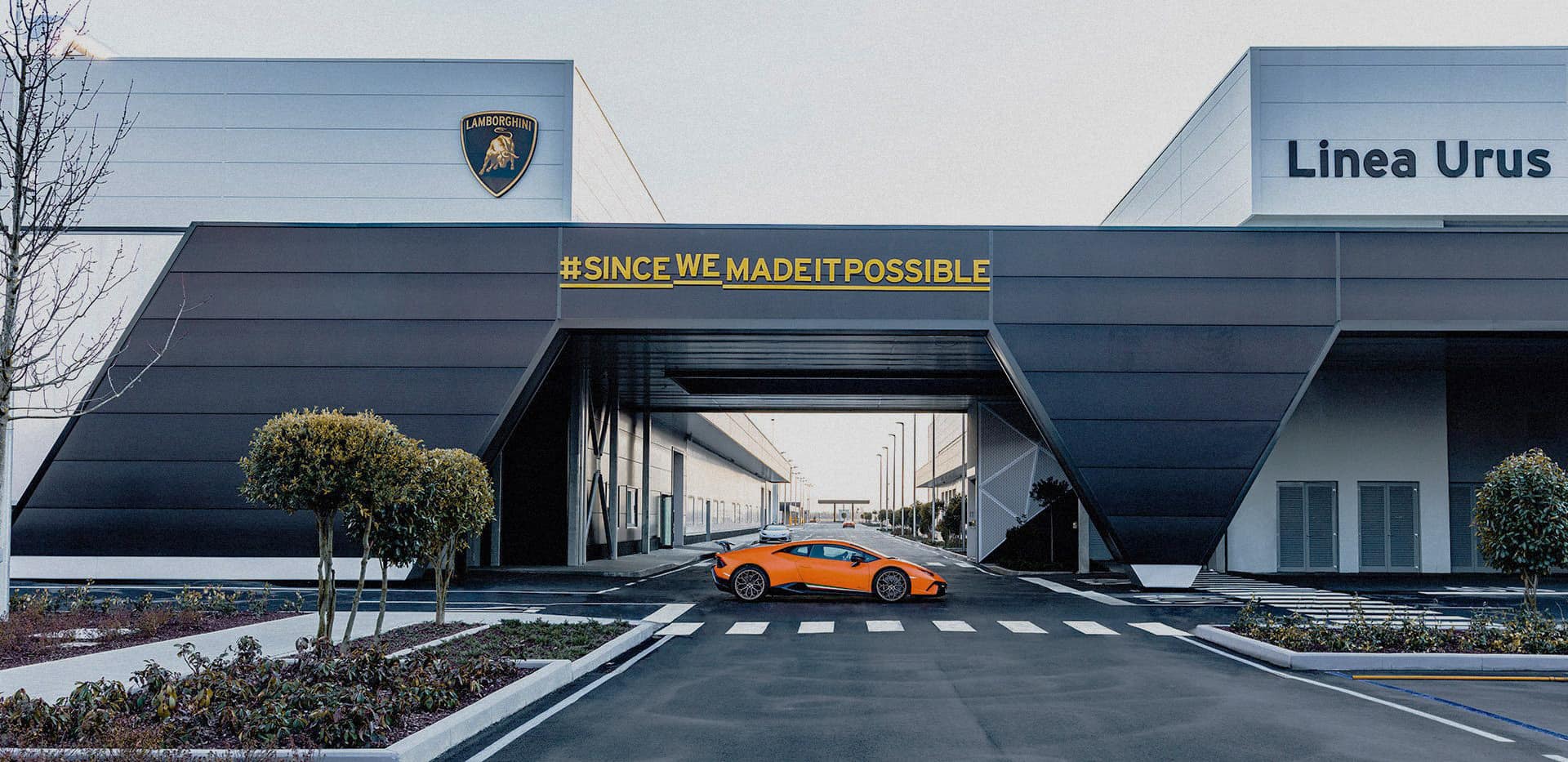
Lamborghini URUS
Film, Print, Social Content, Catalog
Sometimes advertising campaigns have to turn a product into an attitude.
The problem isn’t always rewriting a great story, though. Sometimes the point is to take something very concrete, a feature, a product detail, and turn it into a world of its own.
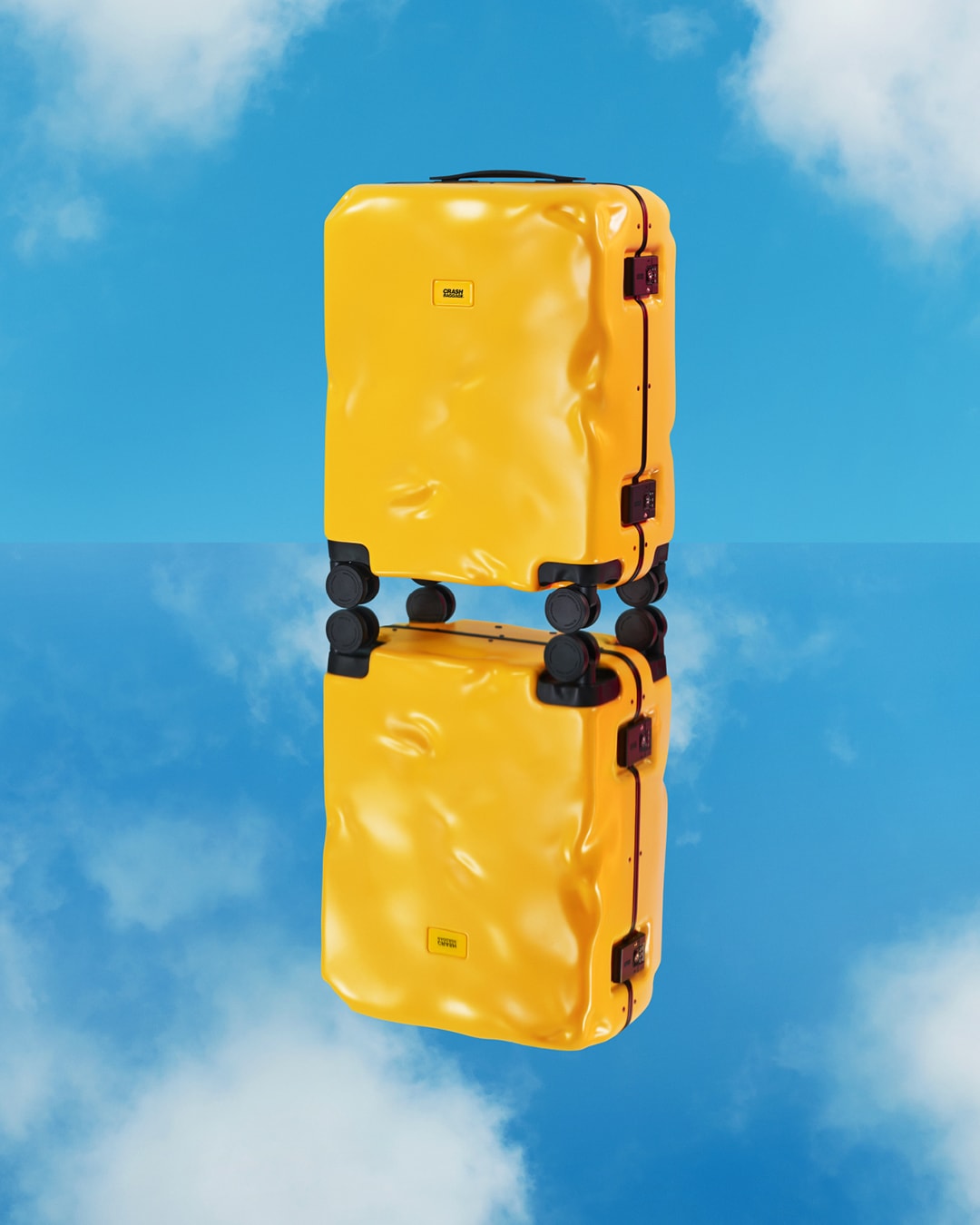
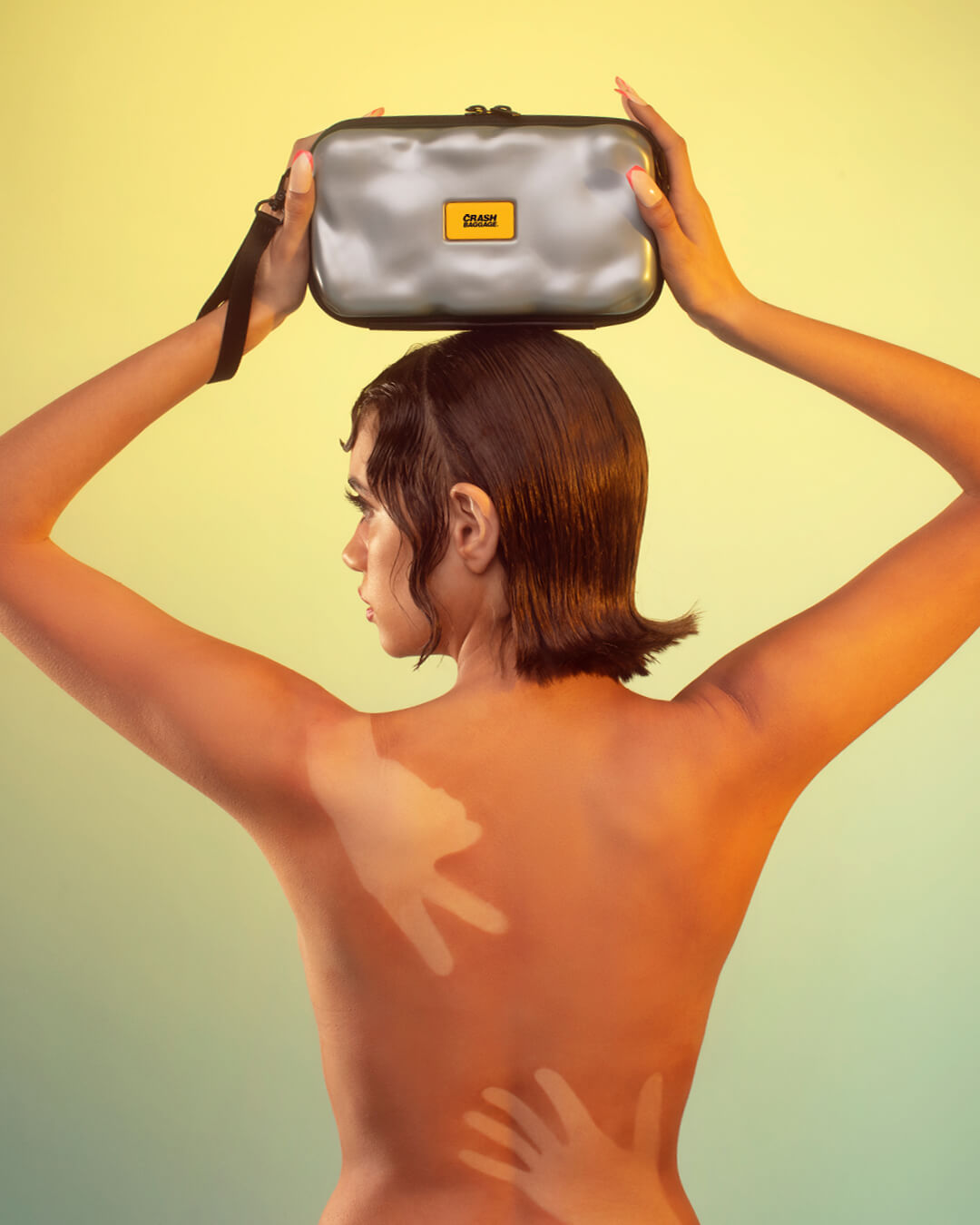
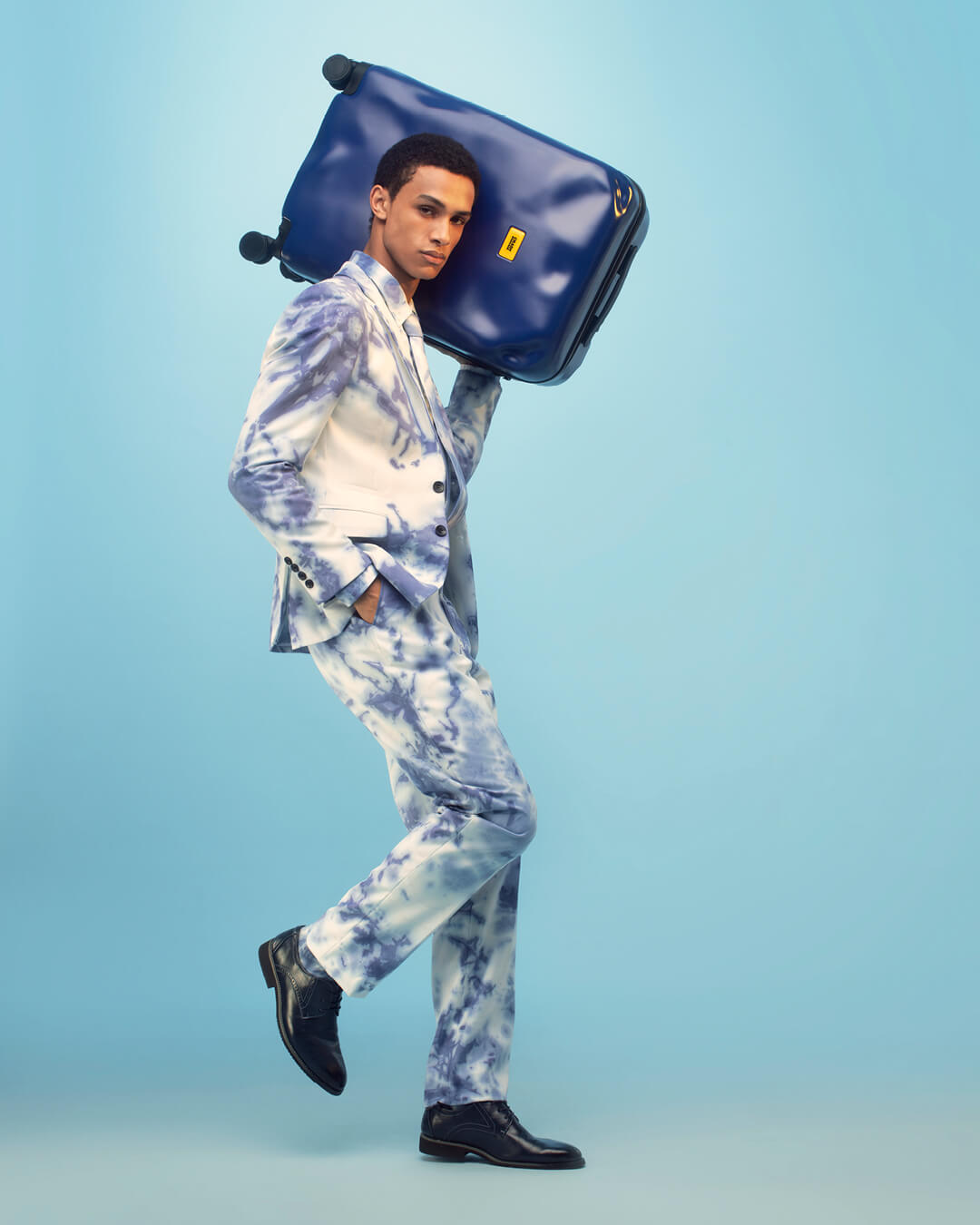
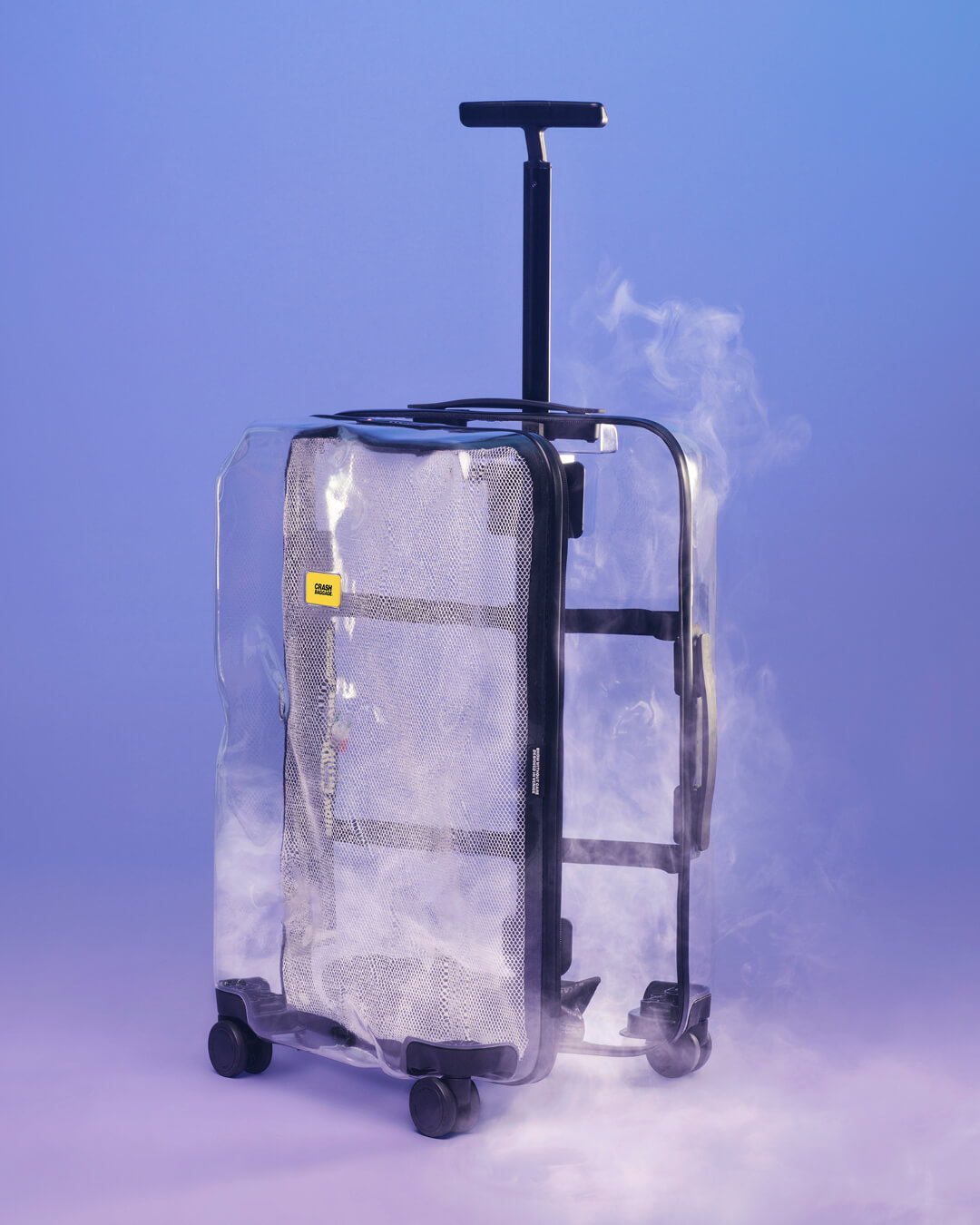
That’s the case with Crash Baggage. The starting product was already very strong: a suitcase with built-in dents as its distinctive trait. But a feature alone isn’t enough to build a memorable brand. The campaign had to go one step further: read the philosophy implicit in that product all the way through and carry it into communication.
From there comes the decisive idea: letting the unexpected leave its dents. Not avoiding the blow, but turning it into style. Living the journey as an adventure to go through at full speed, instead of as a cautious management of risk. The Crash Stories, with their beautiful, nonsensical, unpredictable surrealism, do exactly this: they take a product feature and turn it into an attitude.
In cases like this advertising doesn’t just explain what you sell: it builds a way of being in the world. And that’s what allows a startup or a small business to stop competing only on the product and start occupying a place in people’s memory instead.
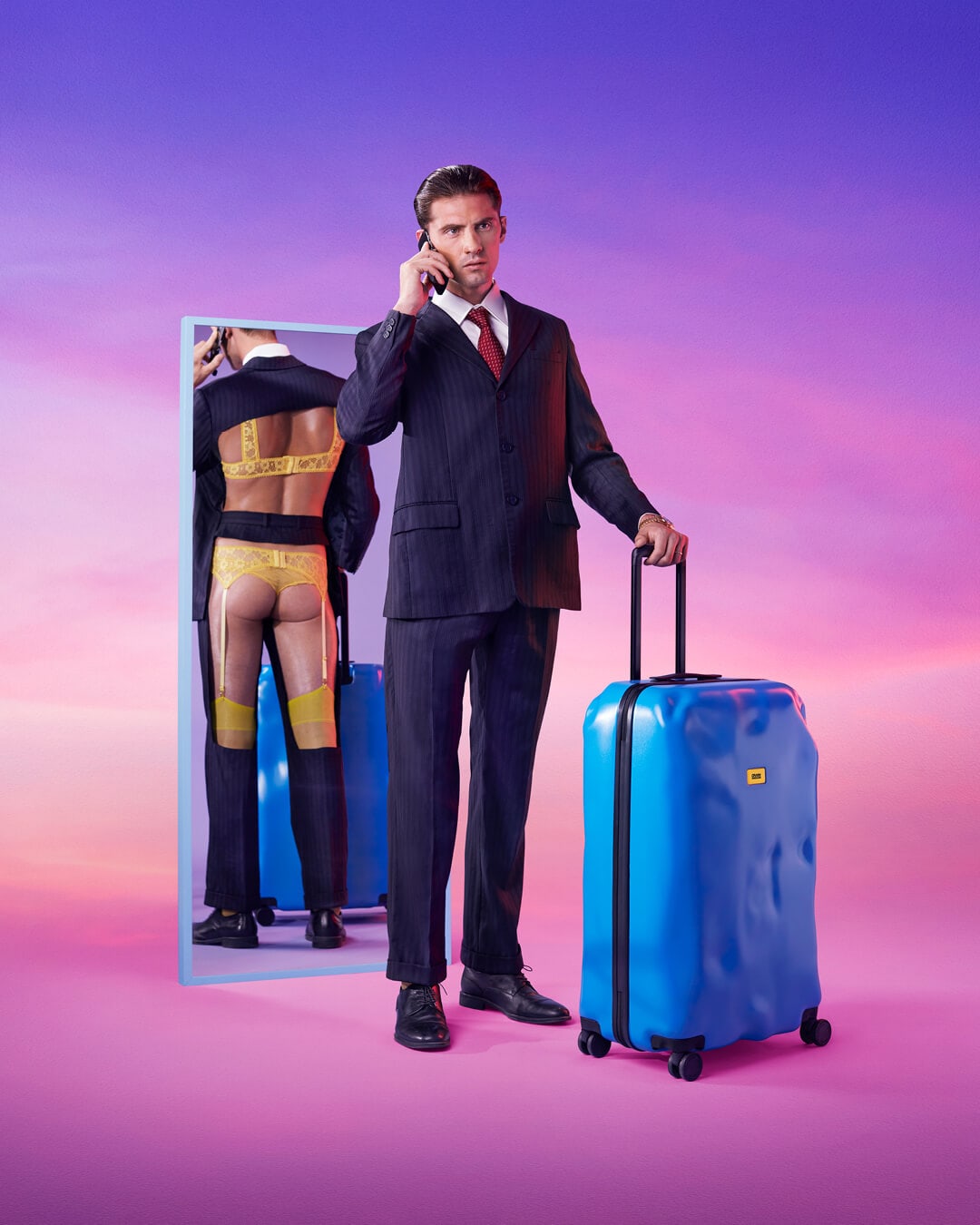
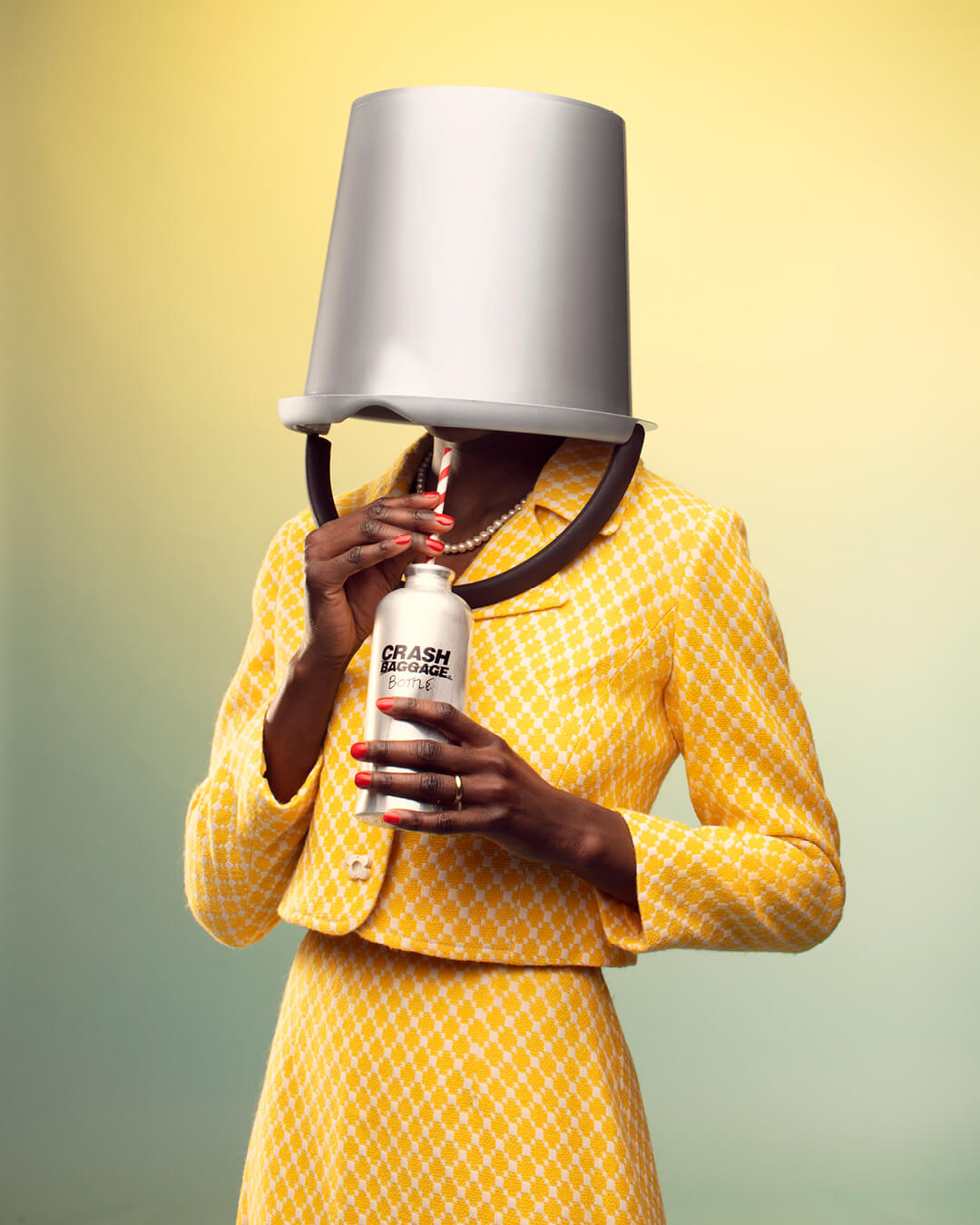
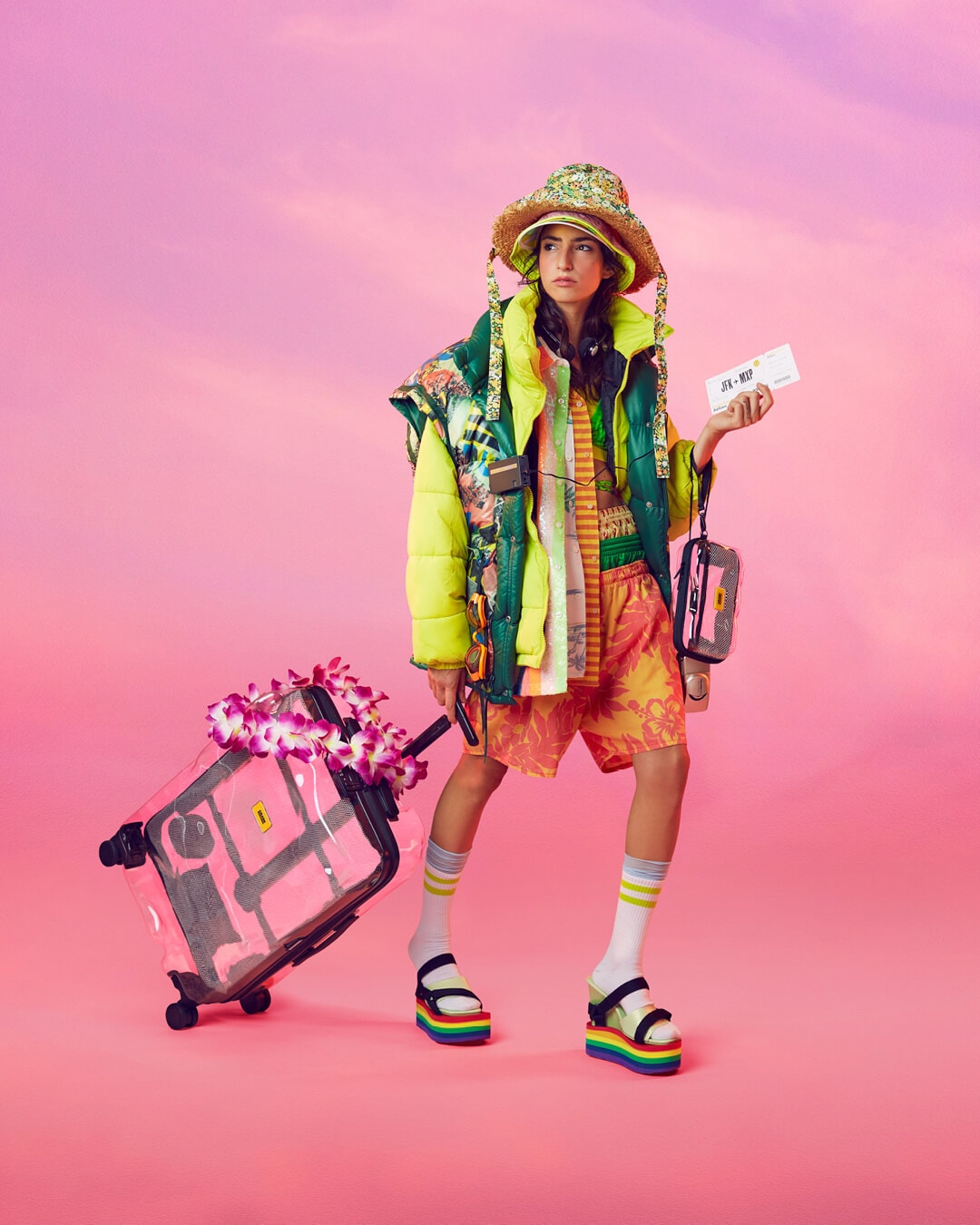

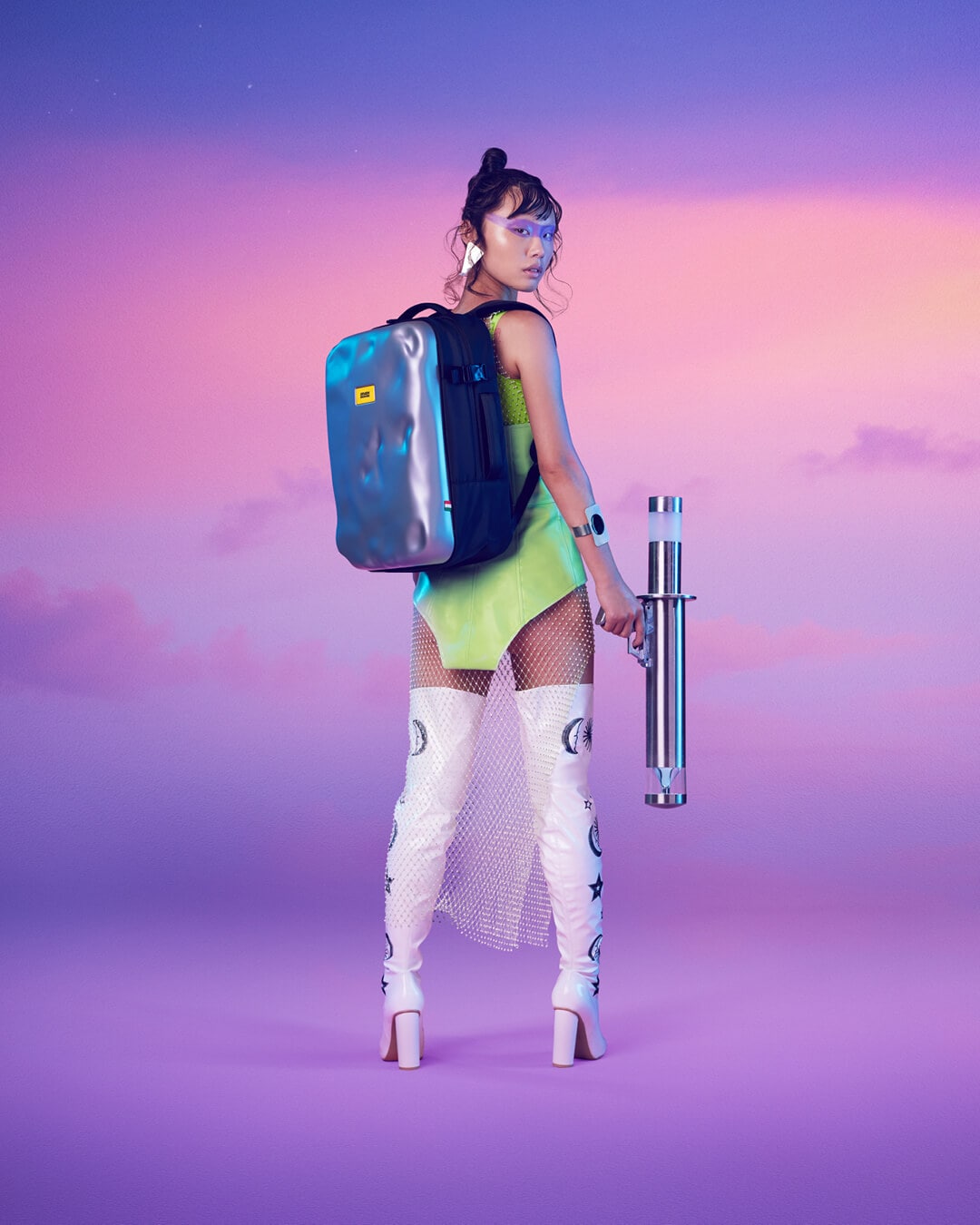
Crash Baggage
Art Direction, Claim, Storytelling, Social Content
Sometimes the campaign has to give depth to a change.
Then there are cases where the task of advertising is neither to break nor to settle, but to give tangible form to a subtler change. To help the brand say something new without making it sound didactic or opportunistic.
That’s what happens with WRUP We Two. Here the point wasn’t simply to produce beautiful or desirable images, as often happens in fashion. The brand was going through a change of direction tied to sustainability, and the campaign had to find the right way to tell it: a poetic construction that could generate a real emotion, far from moral slogans and textbook formulas.
The Whitman-inspired framework, Nature as a shared presence, bodies immersed in the world instead of separated from it: everything works to give depth to this change. Here you see a different function of advertising: not shocking, not provoking, not chasing the trend of the moment, but finding the right language to make a brand’s new direction perceptible.
In a context like fashion, where so much communication demands intensity and ends up staying merely glossy, a campaign like this is interesting because it has substance. The atmosphere isn’t a frame, but the right form for saying something true.


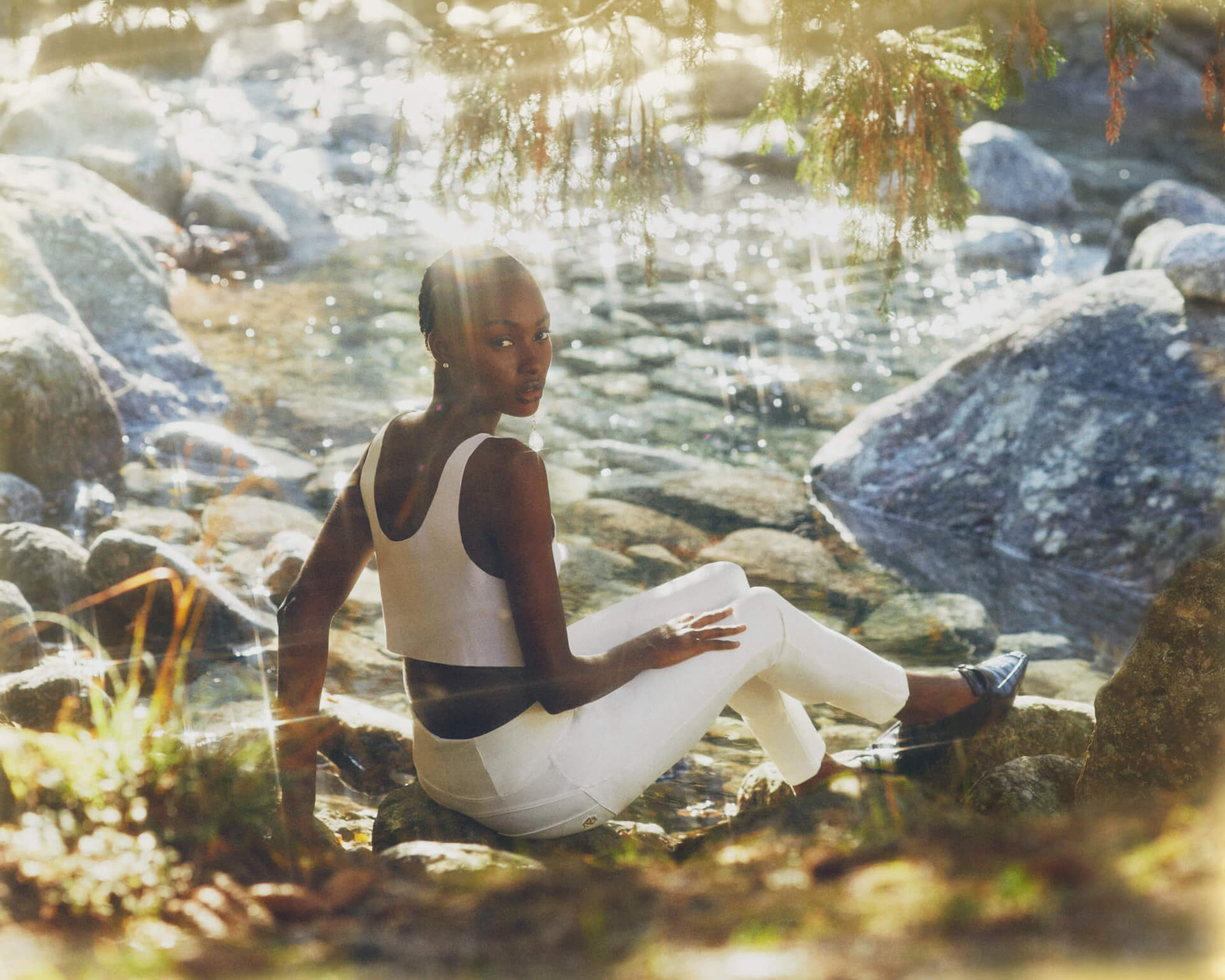
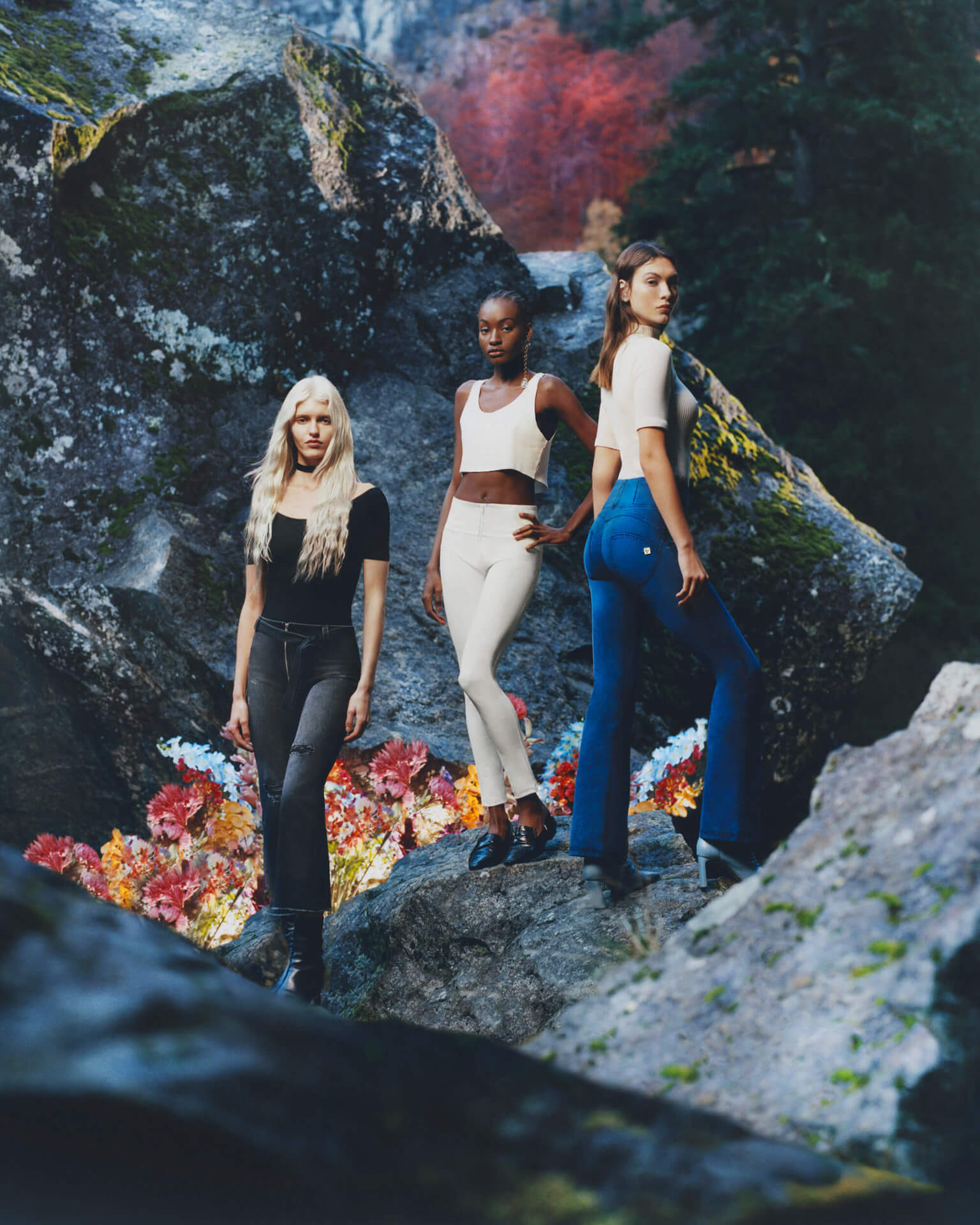
WRUP: We Two
Film, Art Direction, Copywriting, Social Content
Sometimes a brand has to become relevant again without losing its DNA.
Yet another challenge is that of historic brands that need to speak to new audiences without becoming caricatures of themselves. Here the campaign doesn’t just have to be contemporary. It has to make a change of perspective feel natural.
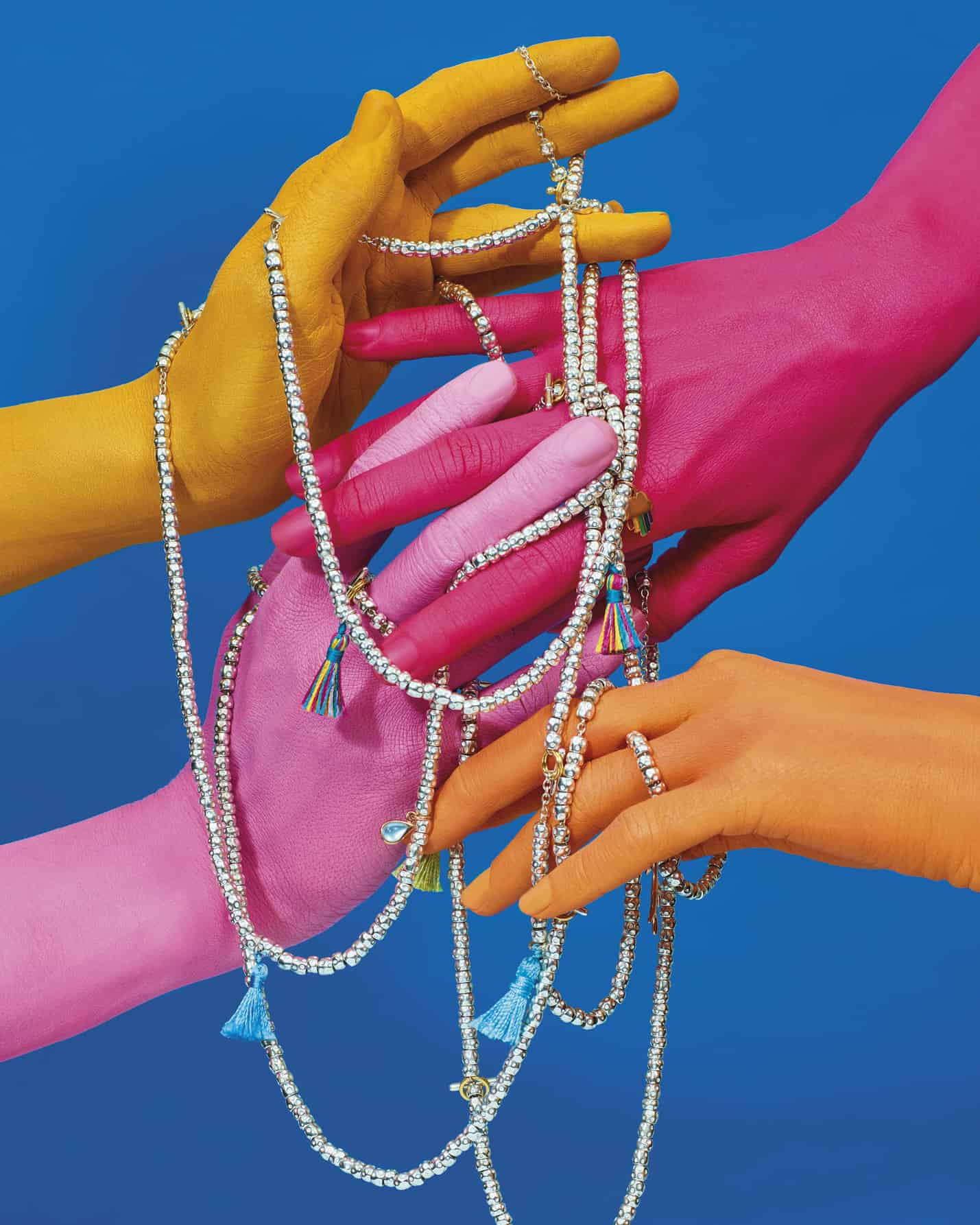
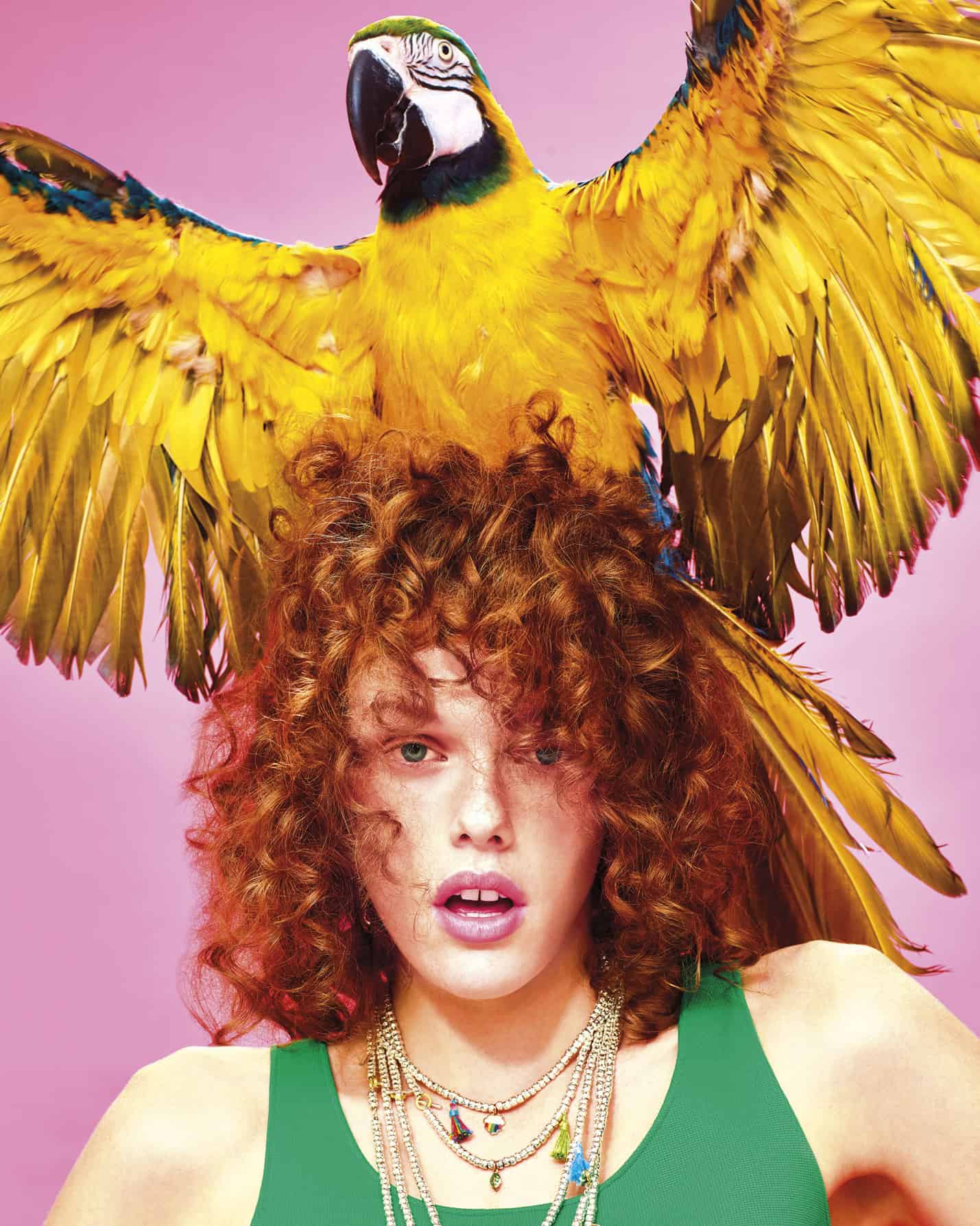
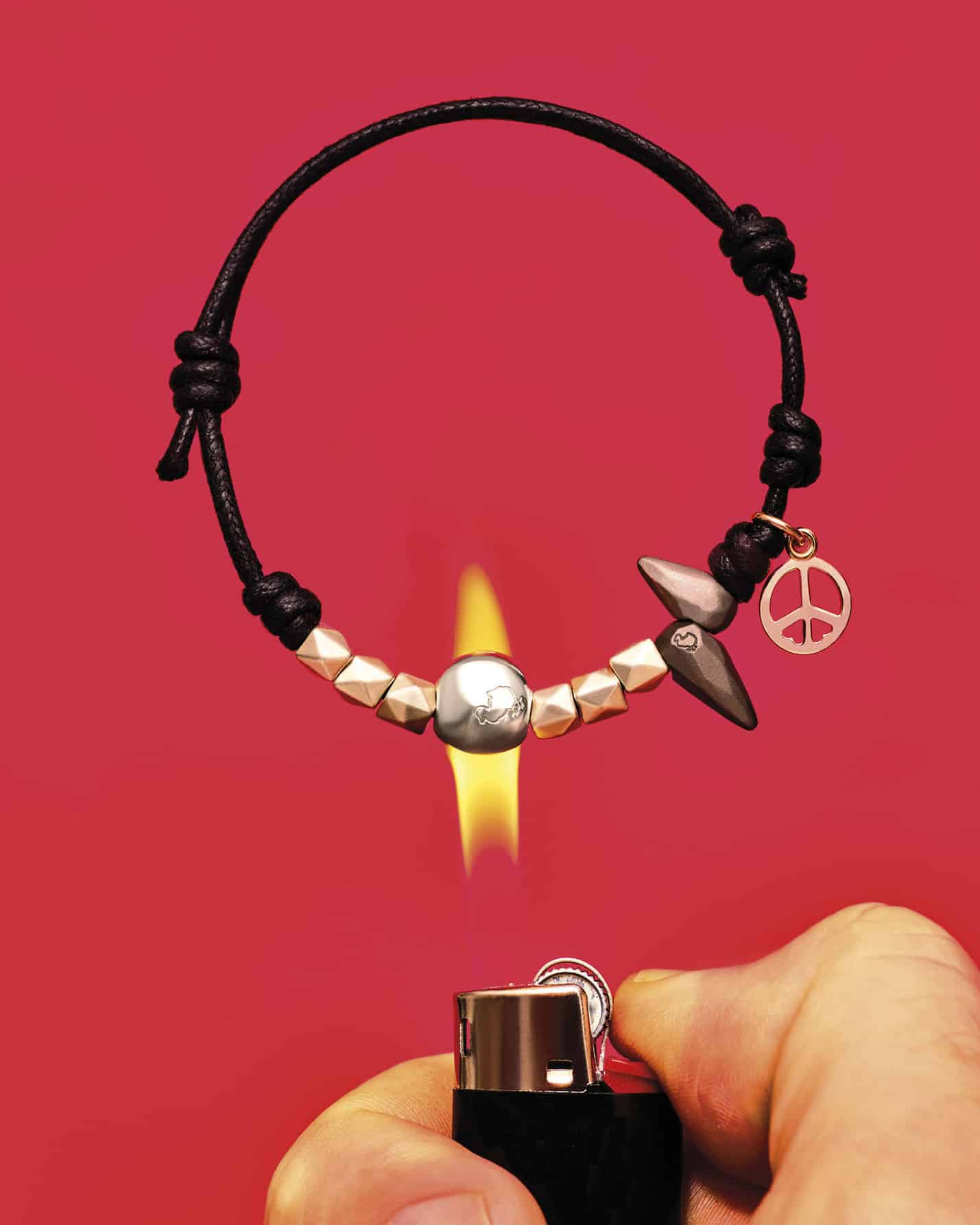
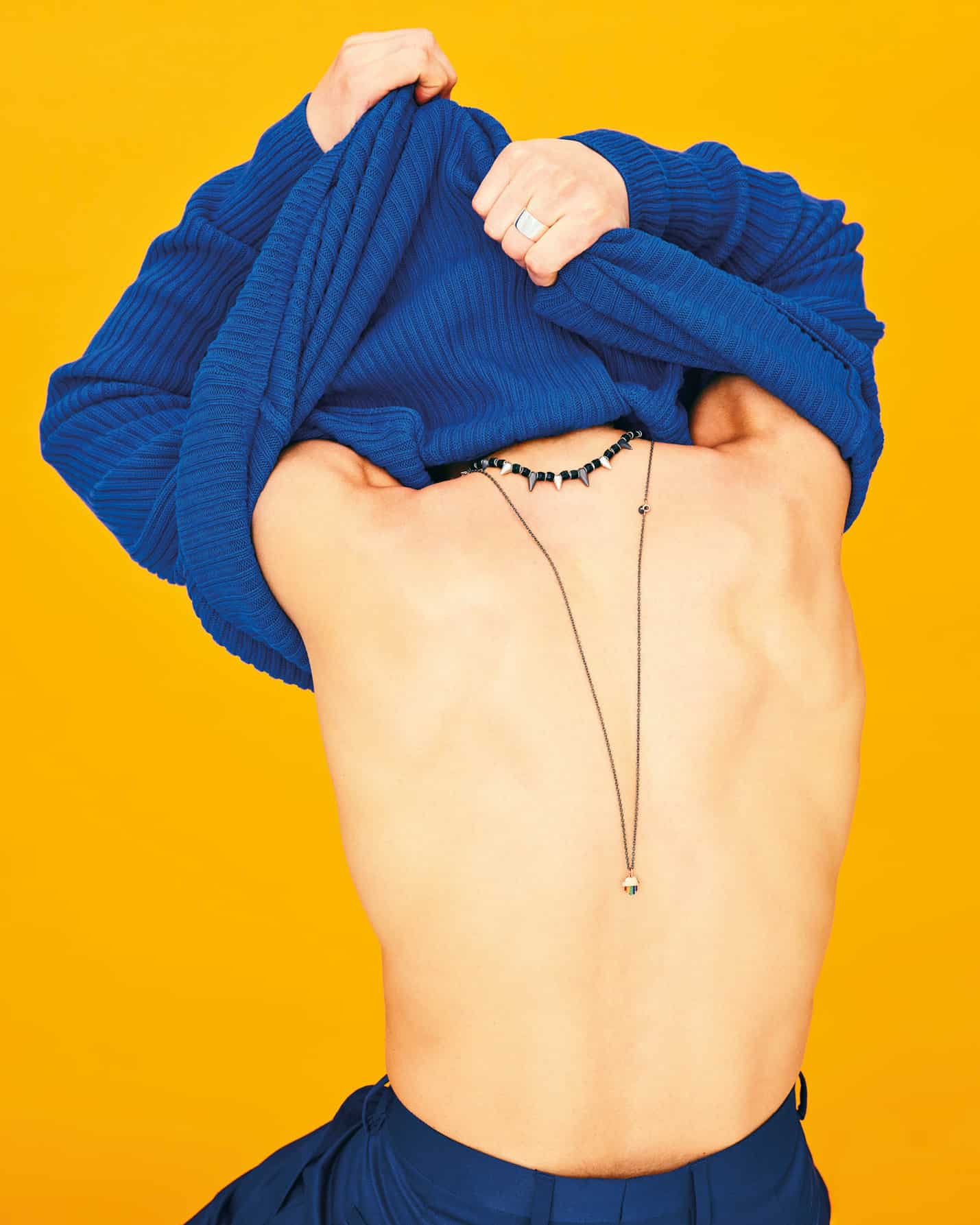
That’s what happens with DoDo. The brand needed to regain relevance for a younger generation, without losing the narrative DNA that had made it famous in the Nineties. So it wasn’t a matter of aesthetic updating, but of balance: how do you become sharper and more ironic without looking dressed up as Gen Z?
In a project like this, advertising is a very delicate operation. It has to update the brand’s world without breaking its identity. It has to find a new language that still seems to come naturally from the brand. It’s this precision that makes repositioning campaigns interesting: they don’t put a new tone on top of the brand like a mask, but bring out a possibility the brand already had inside.
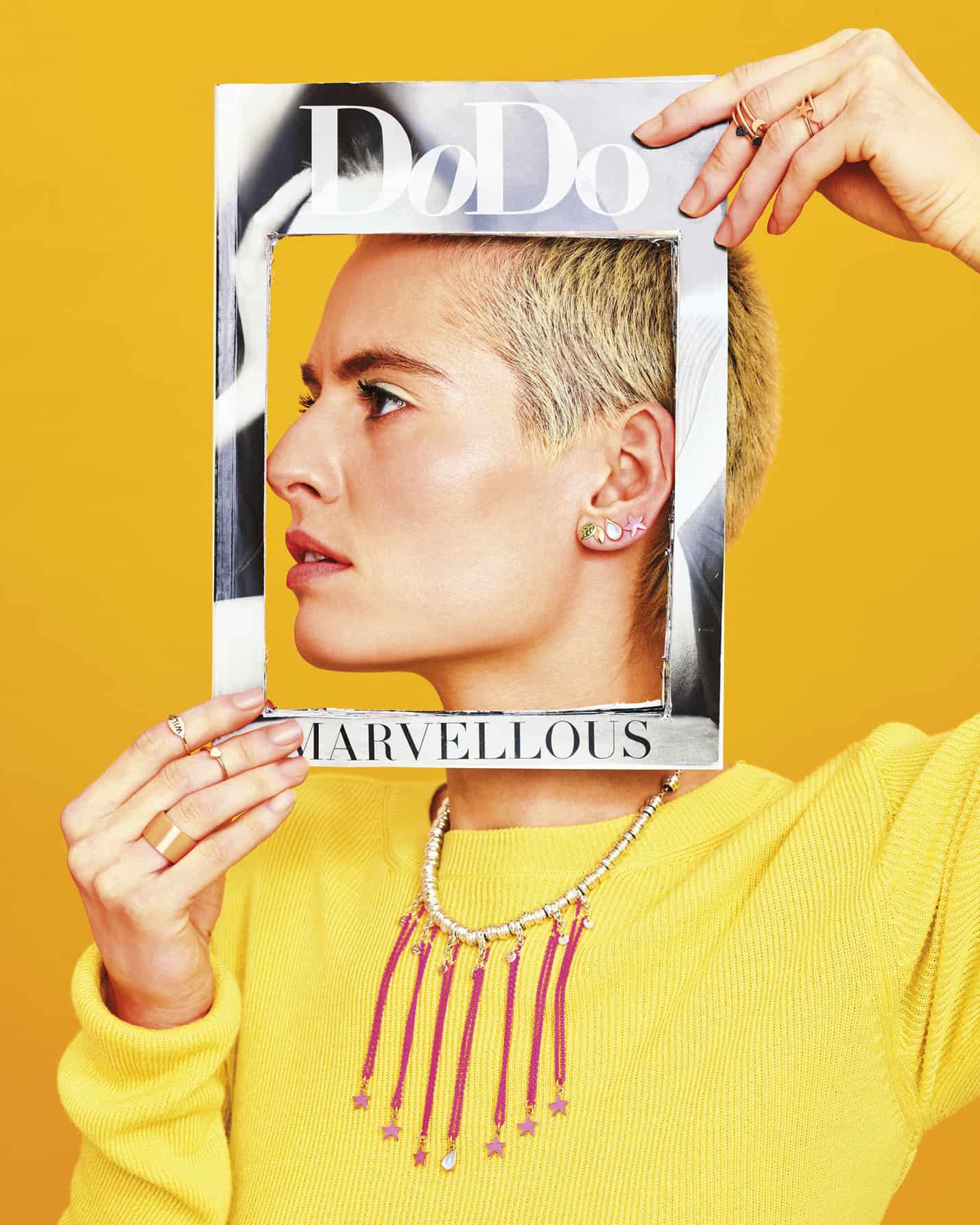
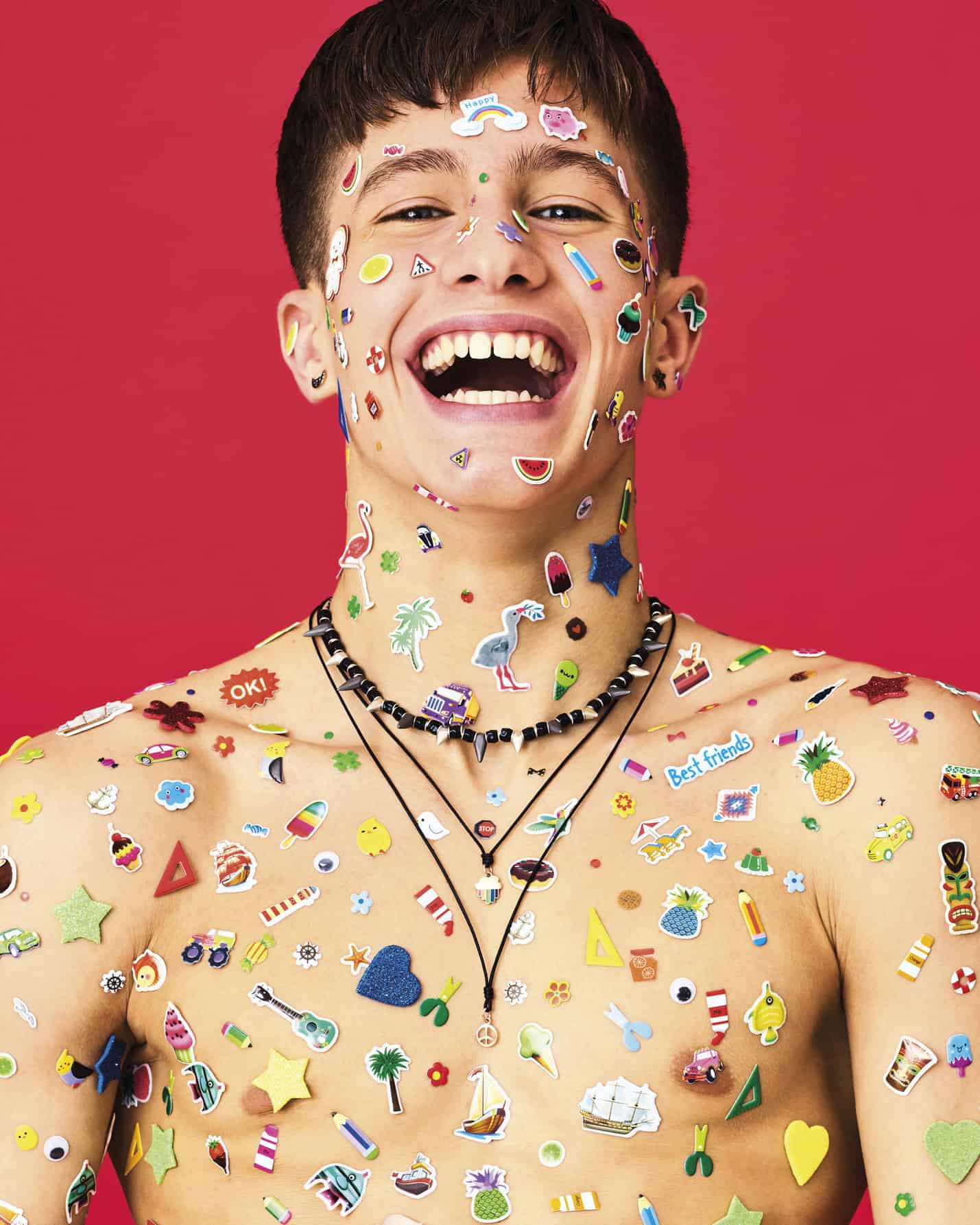
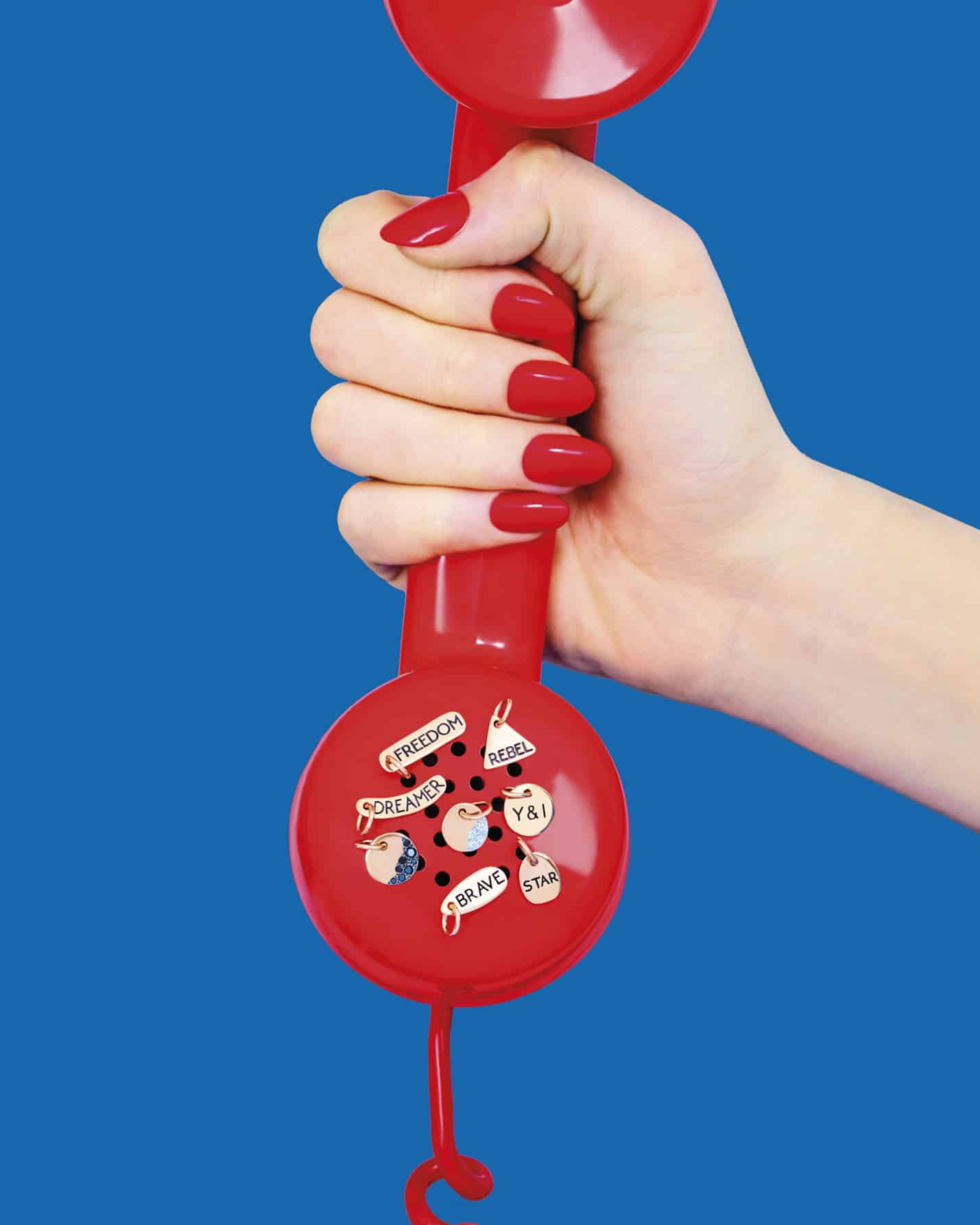
DoDo
Art Direction, Video, Social Content, Print
That’s why we never build a commercial or a corporate video the same way.
If we look at Freddy, Lamborghini Urus, Crash Baggage, WRUP and DoDo together, the most interesting thing isn’t how different the visuals, tones or media involved are. The most important thing is that each campaign answers a different strategic problem.
Freddy needs to communicate values over the long term and make them credible. Lamborghini has to launch a product that rewrites the brand’s story. Crash Baggage has to turn a product feature into an attitude. WRUP has to give depth to a change of direction. DoDo has to become desirable again for a new generation without losing itself.
That’s why we’re not interested in applying formulas. We’re interested in understanding, each time, what change needs to be produced in the way the brand is perceived. Because a campaign works when it leaves a deeper mark than a well-made image or a memorable slogan: when it shifts the way that brand is seen, felt and remembered.
This is where we like to start, together with our clients.
When we work on a campaign or a content project, we never start by asking which format to use first. We start from a conversation with the client. From a working day where goals, audience, market, limits, opportunities, timing and ambitions are brought into focus. That’s where we understand whether a brand needs to build trust over time, strike right away, change tone, or become clearer, more desirable or more contemporary.
Only then do we choose the media. Because the point isn’t to make a commercial, a social media content plan or an integrated campaign for its own sake. The point is to find the right idea and give it the most effective form for that project, at that moment, for that brand.
This is the kind of work we want to do. Not inventing campaigns in series, but building together with our clients creative strategies that leave a mark. Because every brand has a different challenge to face. And every challenge, if it’s read well, becomes the starting point for something the audience hadn’t seen coming.
Questions we often get.
How does an advertising campaign with YOHOHO come together?
It always starts from a working day with the client: goals, audience, market, brand DNA. From that conversation the right strategic question emerges (what needs to change in the way the brand is perceived?) and from there comes the creative idea that guides everything else: commercial, video, social media content, media campaign.
Does YOHOHO only make commercials, or also corporate videos and social media content?
All of these together, or separately depending on the project. We create commercials, manifesto films, corporate videos, social media campaigns, content plans, branded content and integrated campaigns across several media. The format always depends on the strategic problem to solve, not on a preset price list.
How important is it to have a creative strategy before producing a commercial?
It matters enormously. A commercial without a clear strategic direction can be beautiful to watch and still not shift anything in the way the brand is perceived. Creative strategy is what turns a piece of content into a campaign: it defines what needs to change, for whom, in what tone and through which media.
Does YOHOHO also manage social media after the content is produced?
Yes. Beyond production, we also handle social media management and content plans for brands that want to keep consistency and continuity over time. Here too the starting point is always strategic: it’s not about filling the channels, but about building a recognizable voice and making it grow over time.
Dare to challenge us?
Tell us about the project for your brand:
bebrave@yohoho.studio