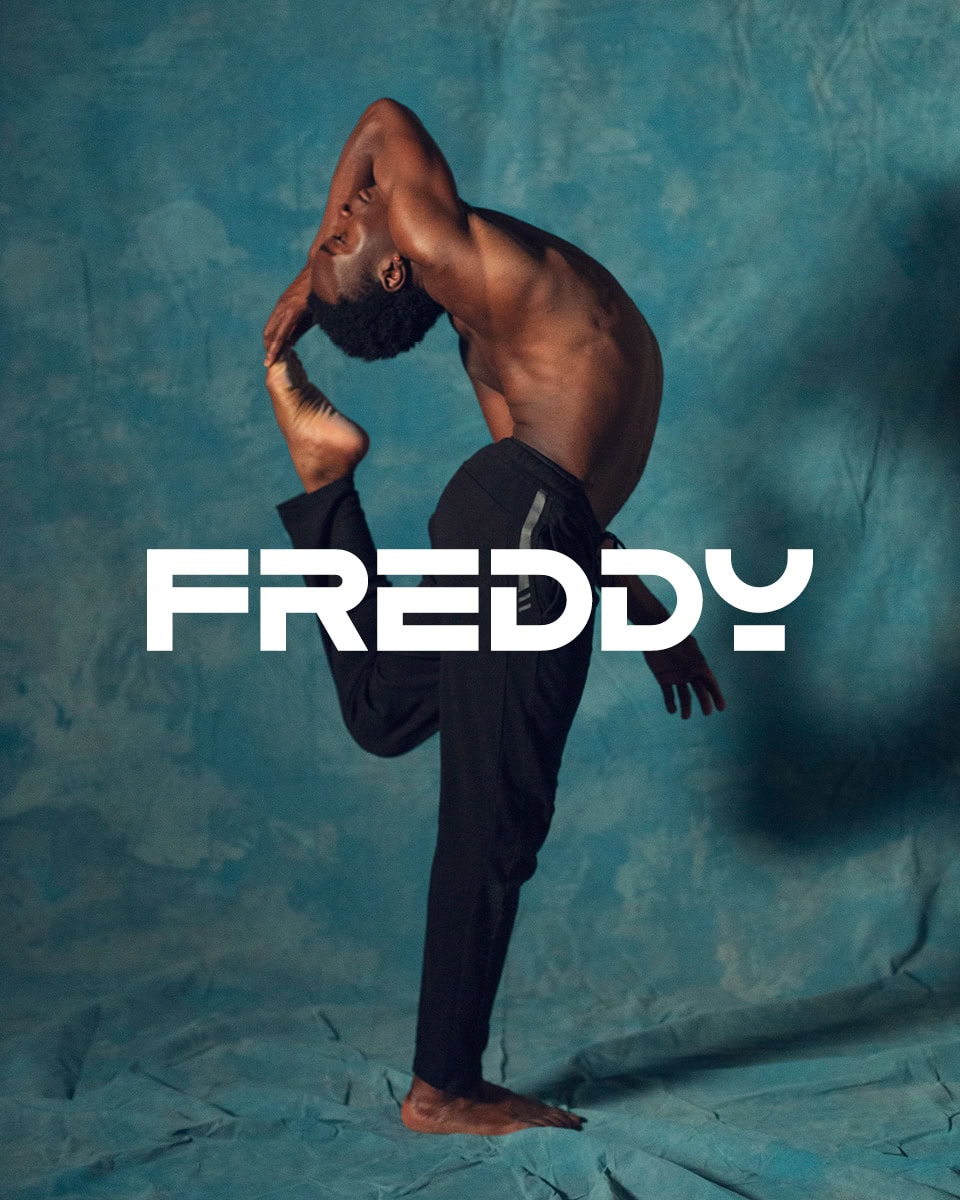
Freddy: a brand truly changes only when its values stop being a slogan.

With Freddy we built much more than a campaign: a communication strategy and a narrative path spanning years, turning The Art of Movement from the brand’s historic tagline into a credible, recognizable, living positioning.
Some brands change their slogan very easily. More rarely do they truly change. Because between declaring a new positioning and making it credible lies the hardest part: time.
This is where the Freddy case gets interesting. Because we’re not just talking about a successful commercial, or only about a series of well-made social media content. We’re talking about deeper work: building, over time, a system of values that brings the brand back into the present without making it lose its own truth. It’s a path that naturally intertwines with the parallel work on the logo rebranding: two different projects, but part of the same design.
The best part is that Freddy already had that truth. It was contained in a historic tagline that had accompanied the brand for years: The Art of Movement. The idea that the body, when it moves, can do something more than compete. It can express a form, a rhythm, a tension, almost a work of art. When Freddy brought us in to put this vision back at the center, the challenge wasn’t simply to launch a new campaign. It was far more interesting: changing the brand’s narrative without betraying its soul.
Freddy: The Art Of Movement
Film, Art Direction, Storytelling, Social Content
In sportswear, almost every brand tells the same story.
Those who communicate in sportswear usually work with very predictable codes: pushing past limits, effort, victory, training, results, endurance. Athletes are staged as performance machines, bodies disciplined to beat a time, achieve a result, climb onto a podium. It’s a very powerful grammar, but also so dominant that it makes many brands, at some point, look alike.
Freddy needed to get out of there. Not as a gratuitous provocation, but for a much more substantial reason: its DNA didn’t really match that story. There was something different inside it. A more sensitive relationship with the body, with the beauty of the gesture, with the expressiveness of movement. An idea of sport that was far less military and far more artistic.
This was the brand’s rare advantage: it didn’t have to invent a new truth. It had to find its own again and bring it back to life. It holds for all our branding work: the strongest strategy doesn’t invent a positioning, it brings it back to light.
The campaign’s first act: a manifesto film that challenges the way sport is told.
The first step was clear-cut: making a film that challenged the way sport is told. We didn’t want to talk about victories, stopwatches or rankings. We wanted to do something simpler and more radical: say that what makes us fall in love with great athletes isn’t only their ability to win a medal or break a record. It’s their ability to make art through the movement of the body.
This idea is condensed in one very powerful line: “You are more than an athlete, you are an artist.”
That’s where the brand finds its voice. And it does so in a completely new way. For the first time Freddy speaks directly to its audience, but instead of adopting the aggressive, adrenaline-fueled, macho tone typical of sports communication, it chooses a female voice, whispered, miles away from the industry’s stereotypes. It’s a decisive choice, because it immediately changes the emotional temperature of the story. The film isn’t a commercial that shouts, but a gentle, almost dreamlike call to arms.
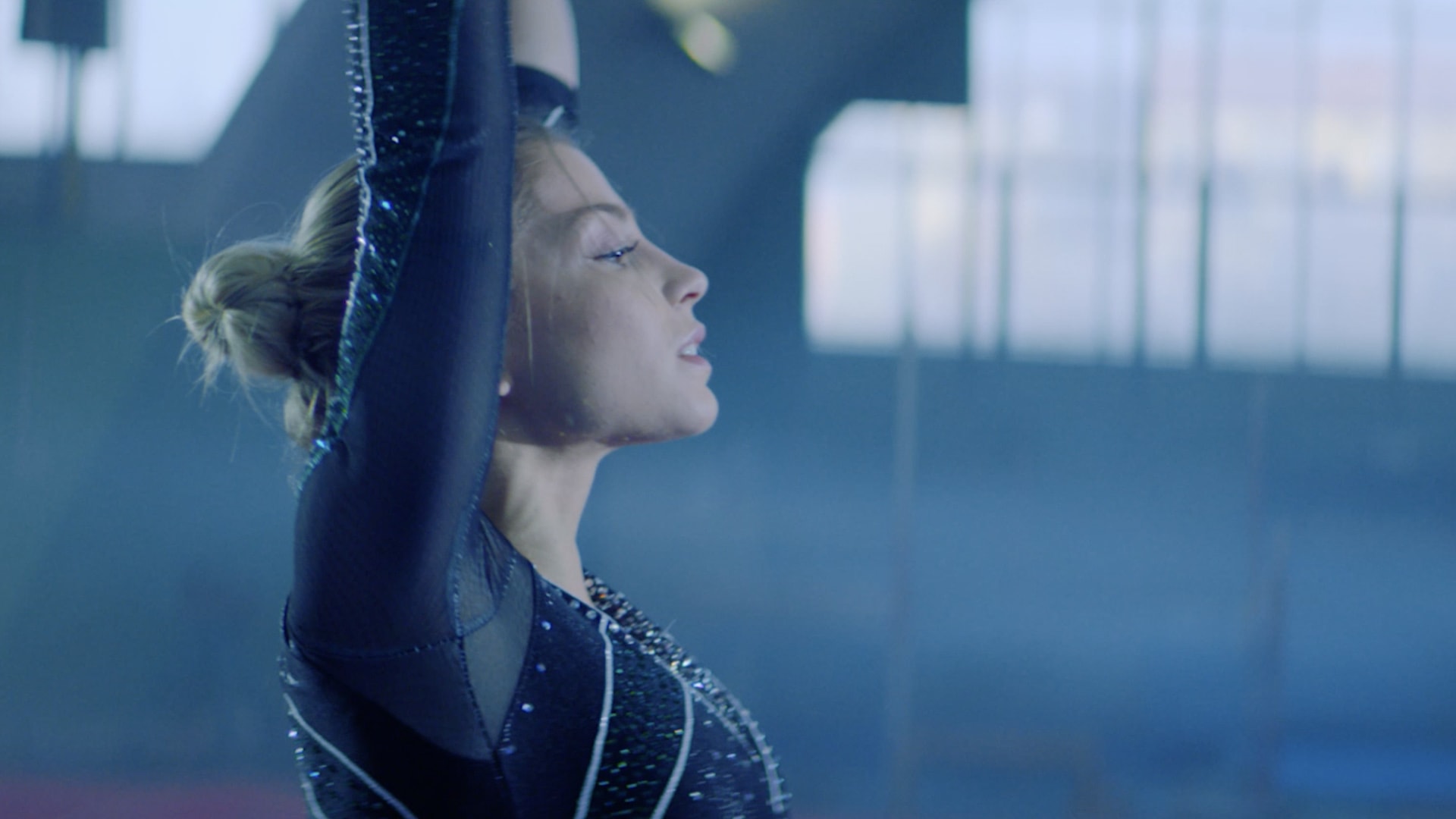
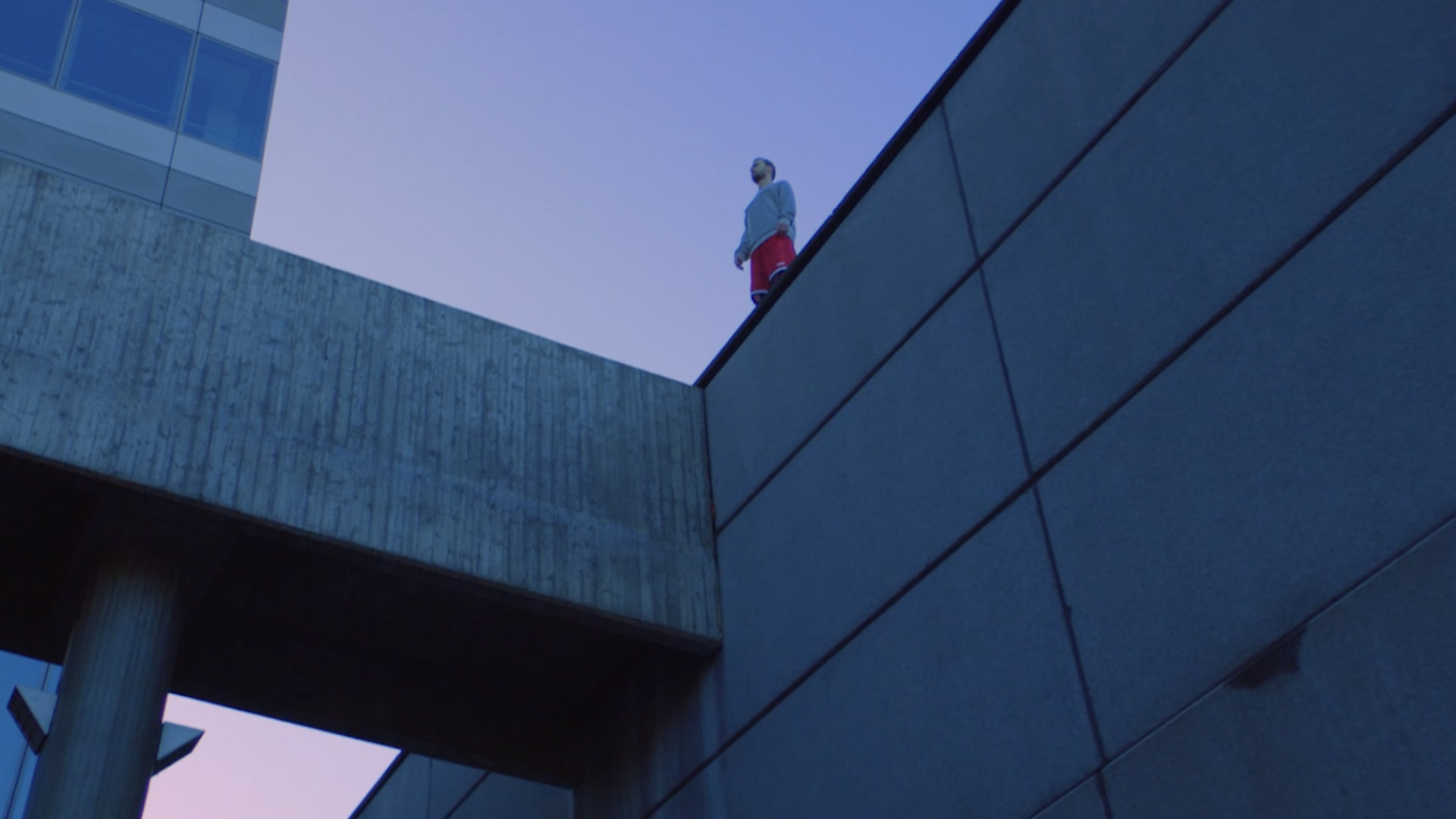
From there the story follows several protagonists, each immersed in their own discipline, but not as competitors in a race. Rather as performers getting ready to go on stage. A gymnast suspended in mid-air, a dancer spinning, a kickboxer releasing strength and rhythm, a traceur defying gravity. Everything converges on the same idea: pushing past a limit isn’t the most important thing. Becoming inimitable matters much more.
This film had a very clear function: not only to relaunch the brand’s historic tagline, but to put it back into circulation. It was hugely popular on social media, aired on TV and in cinemas, and ran over several seasons. But above all it put the truest core of Freddy back at the center, with a new voice.
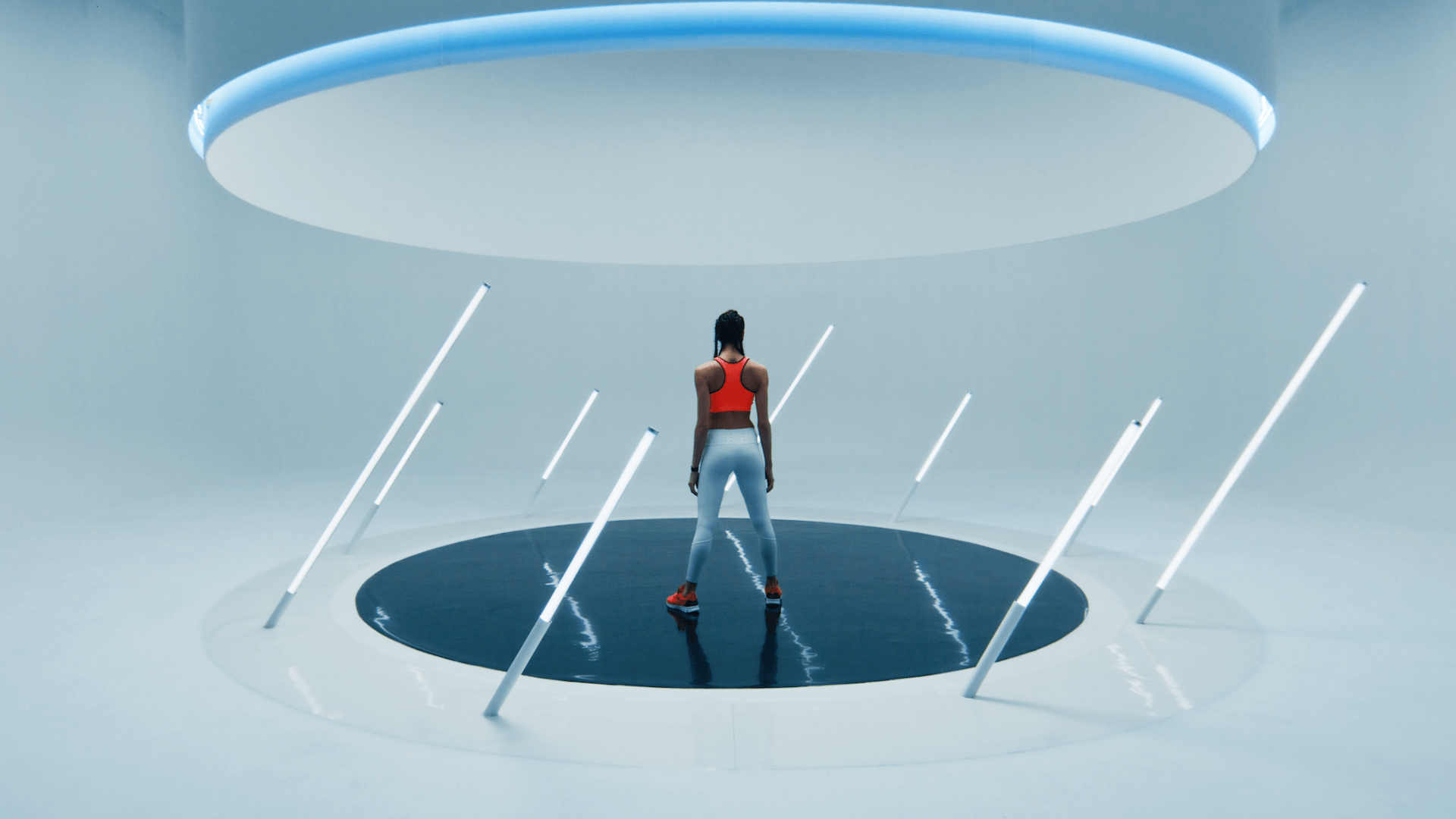
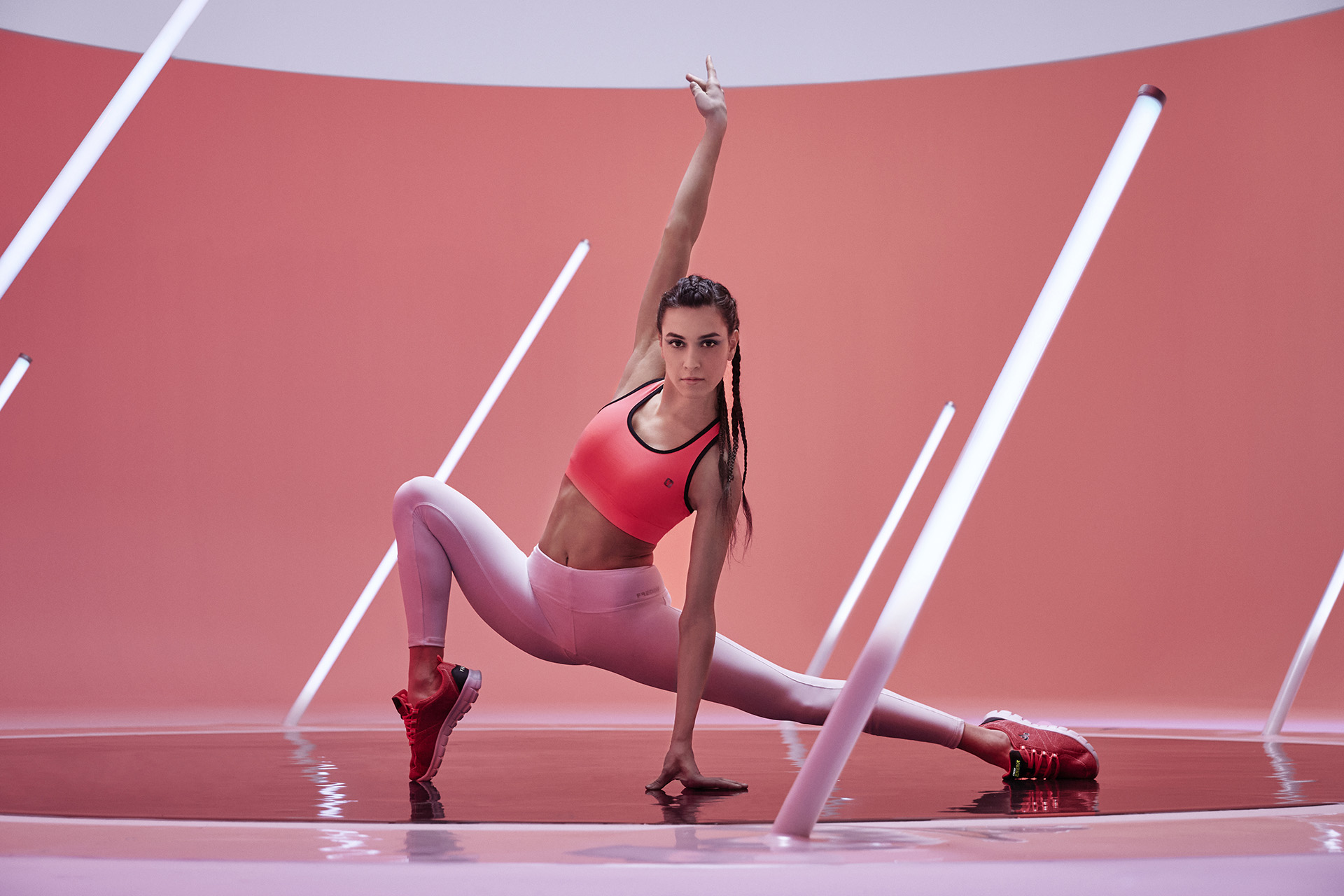
Freddy Energy
Film, Art Direction, Social Content
A positioning becomes real only when it communicates in many ways, not just with a film.
But this is exactly where the hardest part begins. Because a manifesto film, on its own, is never enough.
Many brands declare a new identity with a beautiful commercial, and then go straight back to communicating as before. It’s the reason so many repositionings are left hanging: they look like promises, not transformations. The audience perceives them, maybe notices them, but doesn’t internalize them.
With Freddy the interesting work began right after. The point was no longer just to assert The Art of Movement, but to make it credible over time. And to do that we had to build a system of content, testimonials and developments showing that those values weren’t a creative gimmick, but the brand’s true language.
This is where Freddy stops having a nice tagline and starts having a real positioning.
The ambassadors of the art of movement.
To make the new story credible, the choice of the people involved was decisive. Famous faces weren’t enough. It took figures able to embody that different relationship between body, discipline, gesture and beauty.
That’s why the project also developed through Jury Chechi, Nicoletta Manni and Alessia Maurelli. Three very different figures who nonetheless shared one thing: their relationship with movement can’t be reduced to a purely performance-driven logic. In each of them there’s technique, of course. But there’s also form, control, expressiveness, interpretation. There’s a way of inhabiting the body that makes the idea of sport as the art of movement perfectly credible.
This is a very important step. Because here the ambassador isn’t there to lend fame to the brand, but to prove a thesis: this way of understanding movement really exists. It has faces, stories, a human reality.
And the project tells it the right way: interviews, emotional videos, photographs, short clips for social media. Not a simple campaign with famous ambassadors striking a pose, but storytelling work that lets their words, their sensitivity and their personal way of living the gesture come through.
From a slogan, The Art of Movement thus starts to become a cultural territory inhabited by real people.
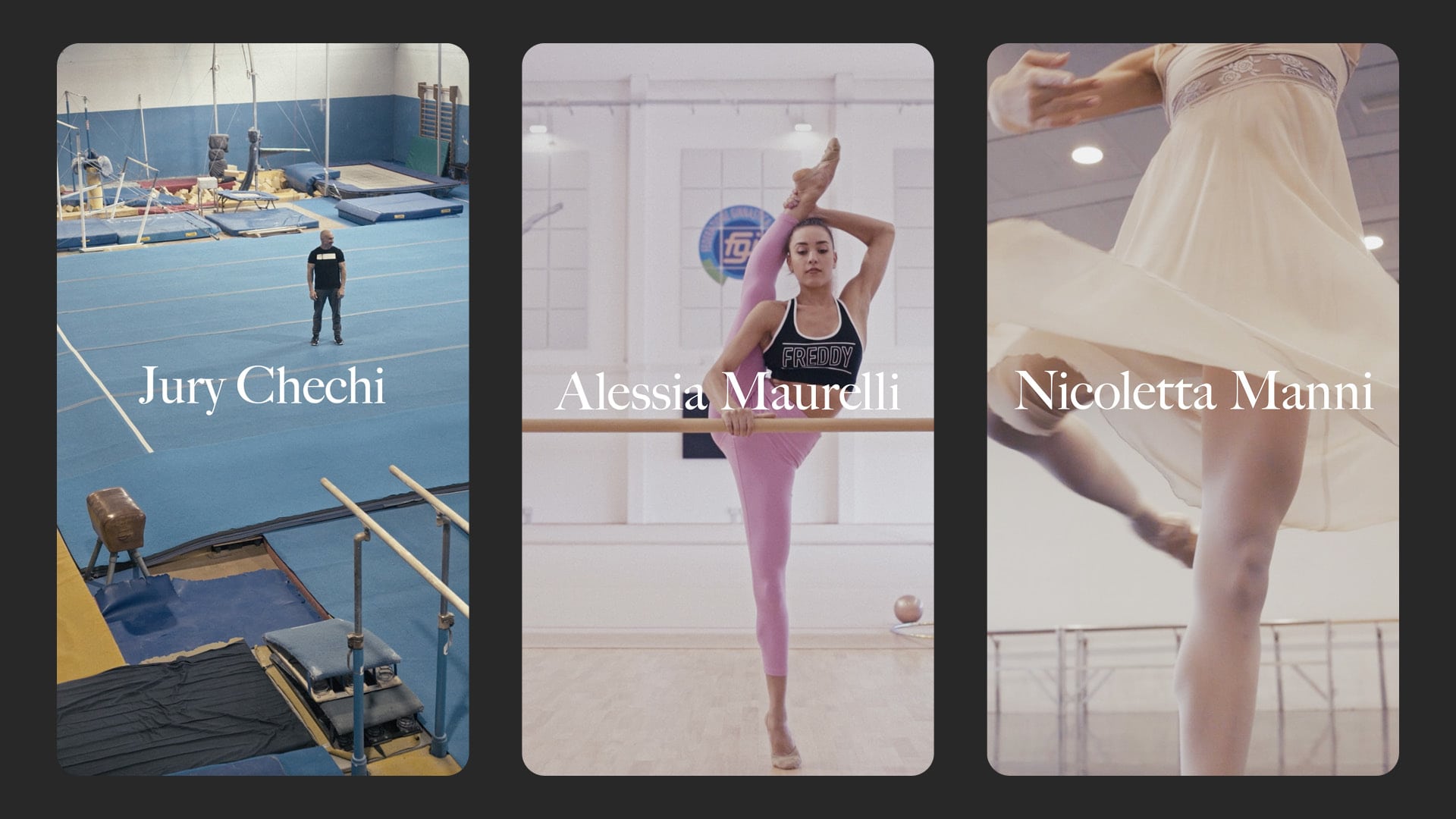
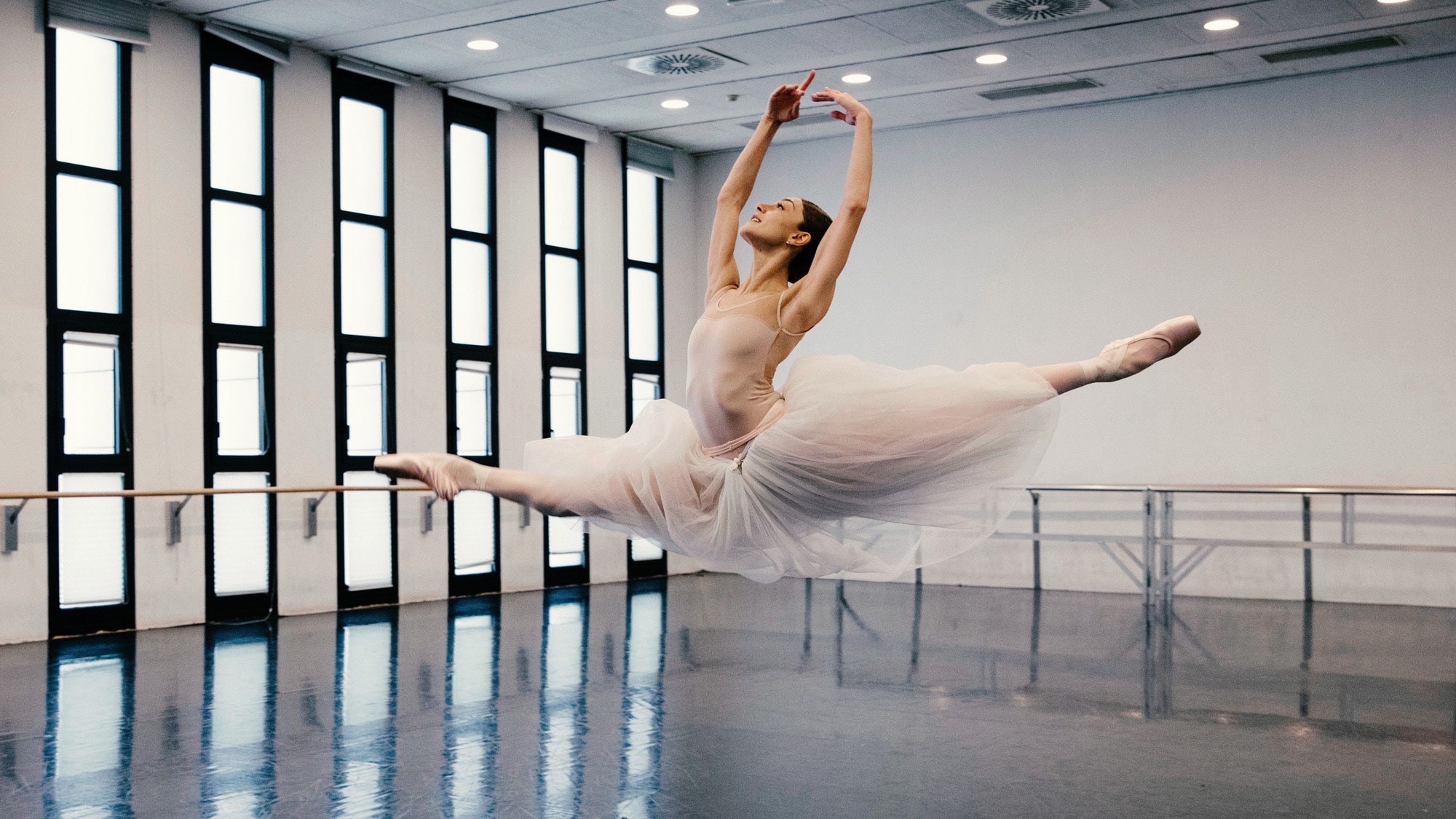
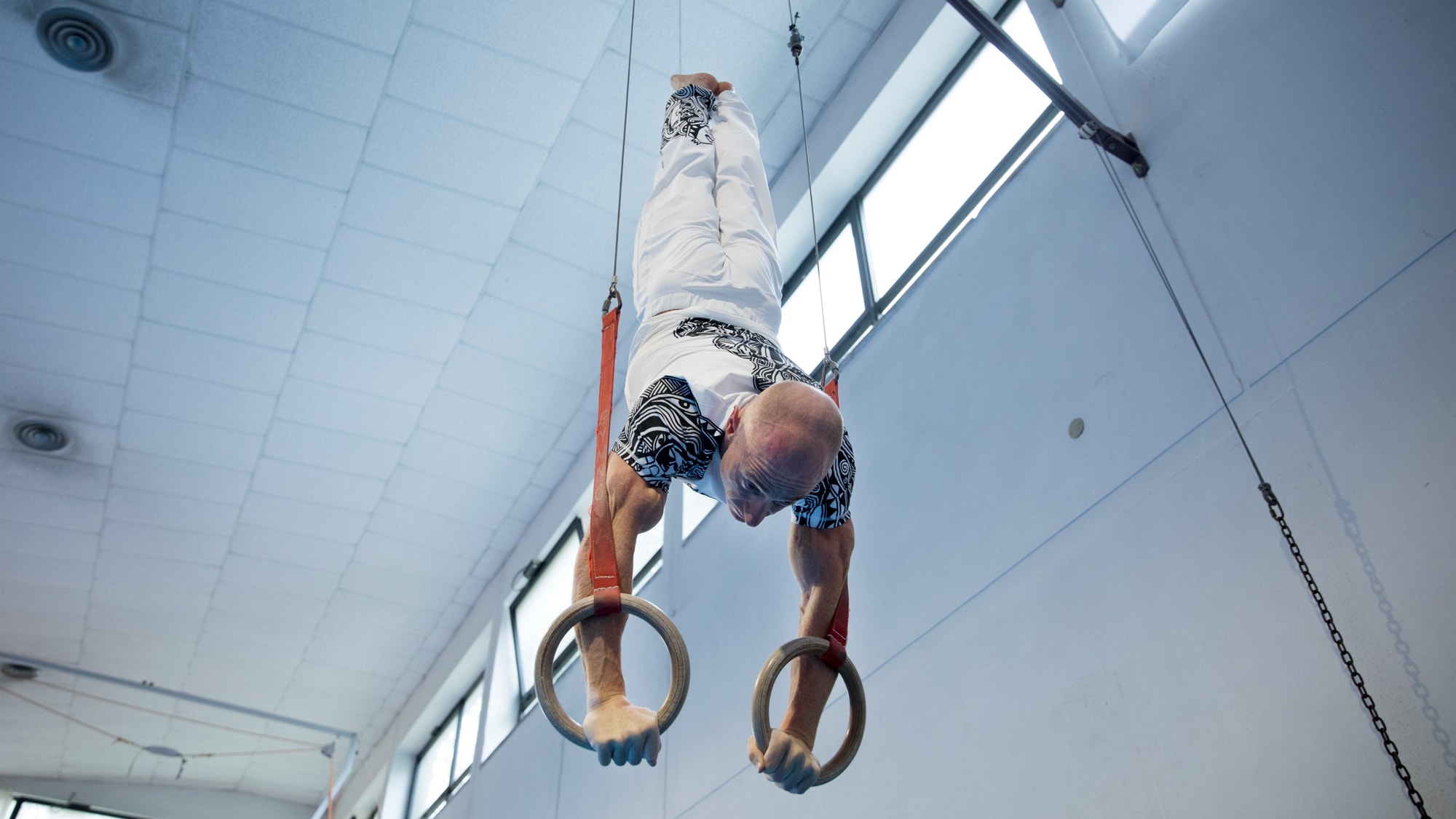
Artists Of Movement: Season 1
Art Direction, Storytelling, Social Content
From great performers to a social magazine.
The next step was almost natural. Once the brand’s language had been redefined with the manifesto film, and once that vision had been given a face and a voice through great performers of movement, a format was needed that would let the idea live over time. Not a closed campaign, but an editorial device that would keep populating Freddy’s social channels without losing the thread.
That’s how a real social media content plan structured like a magazine was born: content organized in themed columns, every week, for months. Not simple posts, but editorial pieces with a precise point of view, building over time a recognizable cultural space on the brand’s channels.
This format allowed Freddy to do something very important: not disappear between one product launch and the next, but keep a consistent conversation alive with its audience. A conversation that wasn’t only about clothes, but about bodies, gestures, artists of movement and real stories.
This is where the positioning stops being a statement and becomes a habit: a constant presence, something the audience learns to expect, to recognize and, finally, to look for.
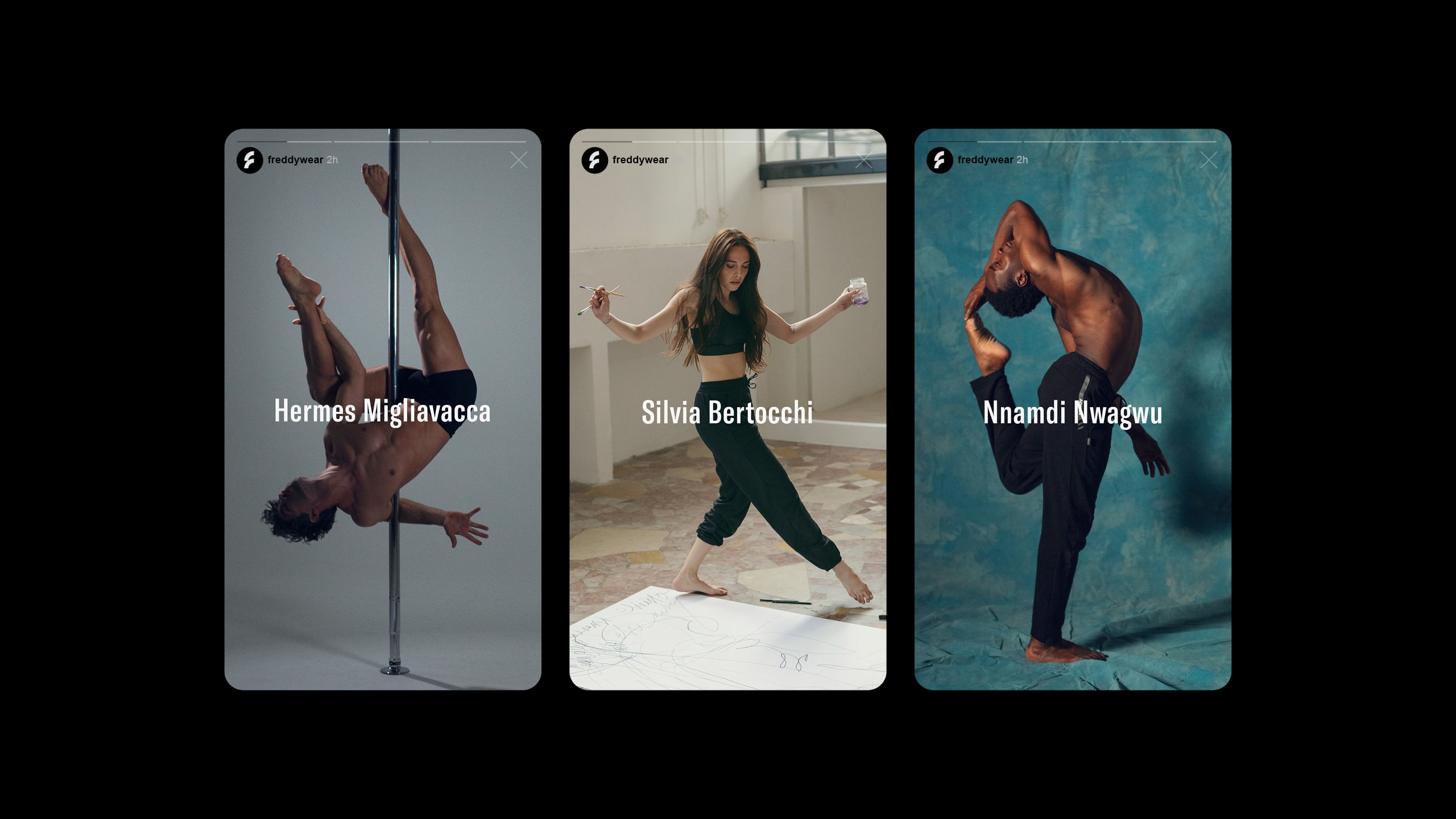
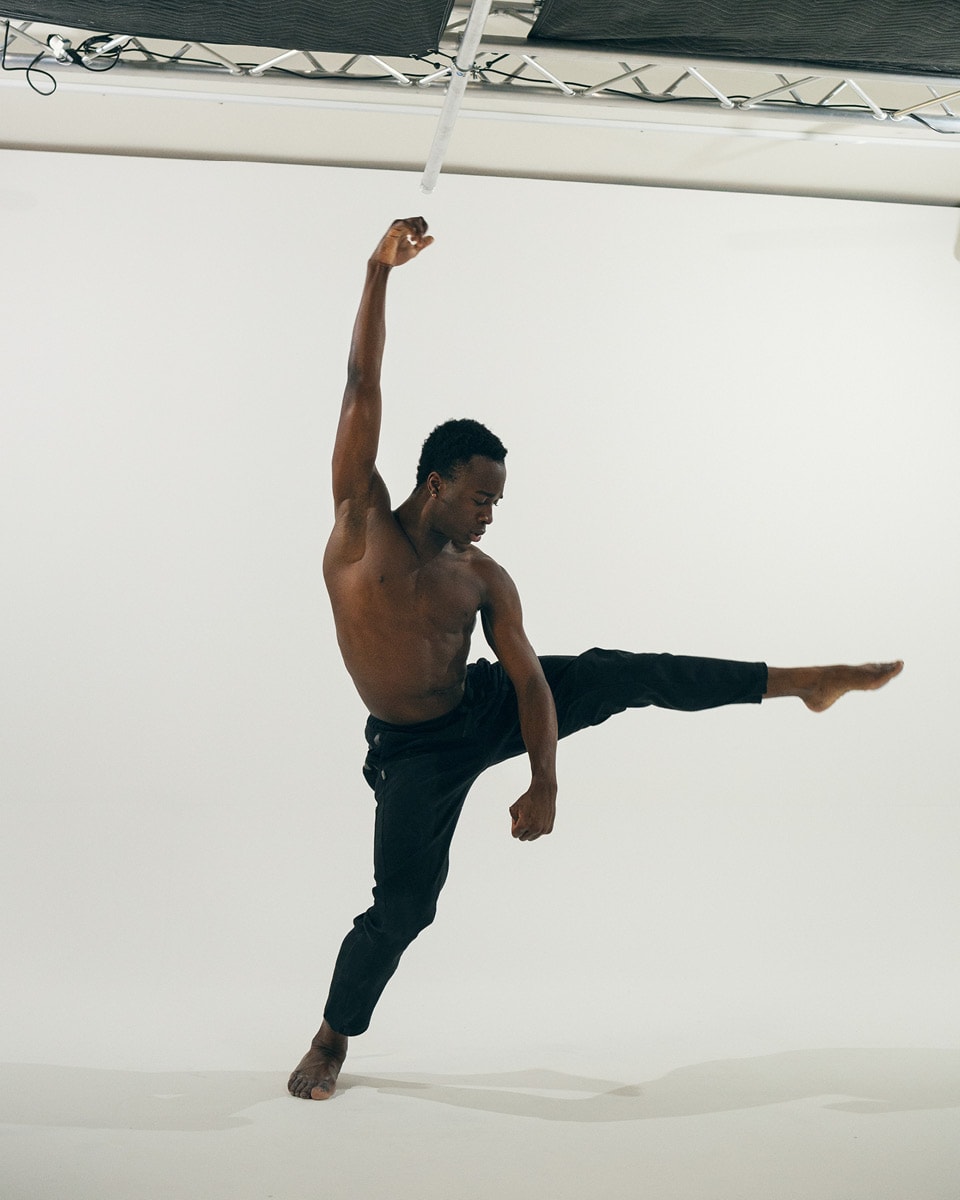

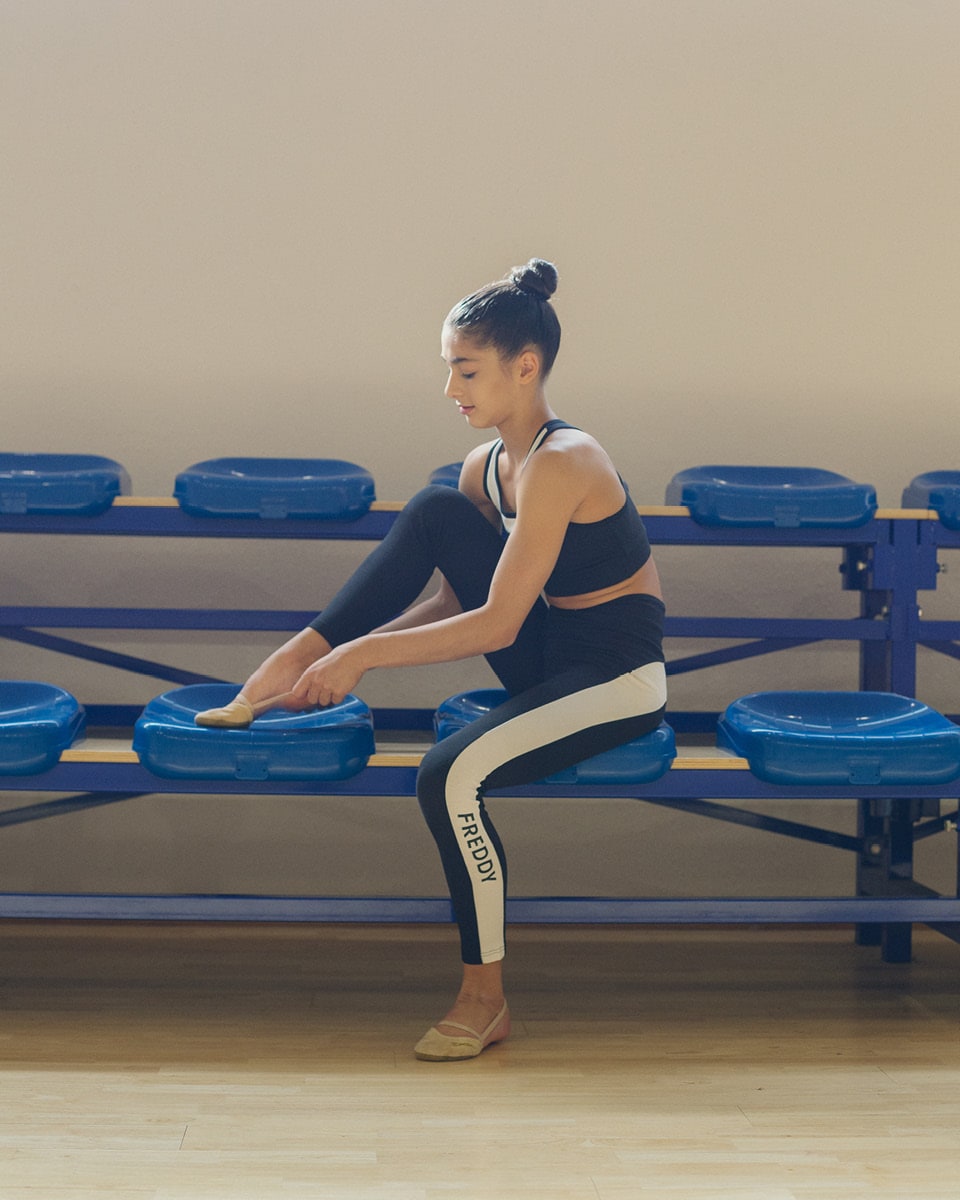
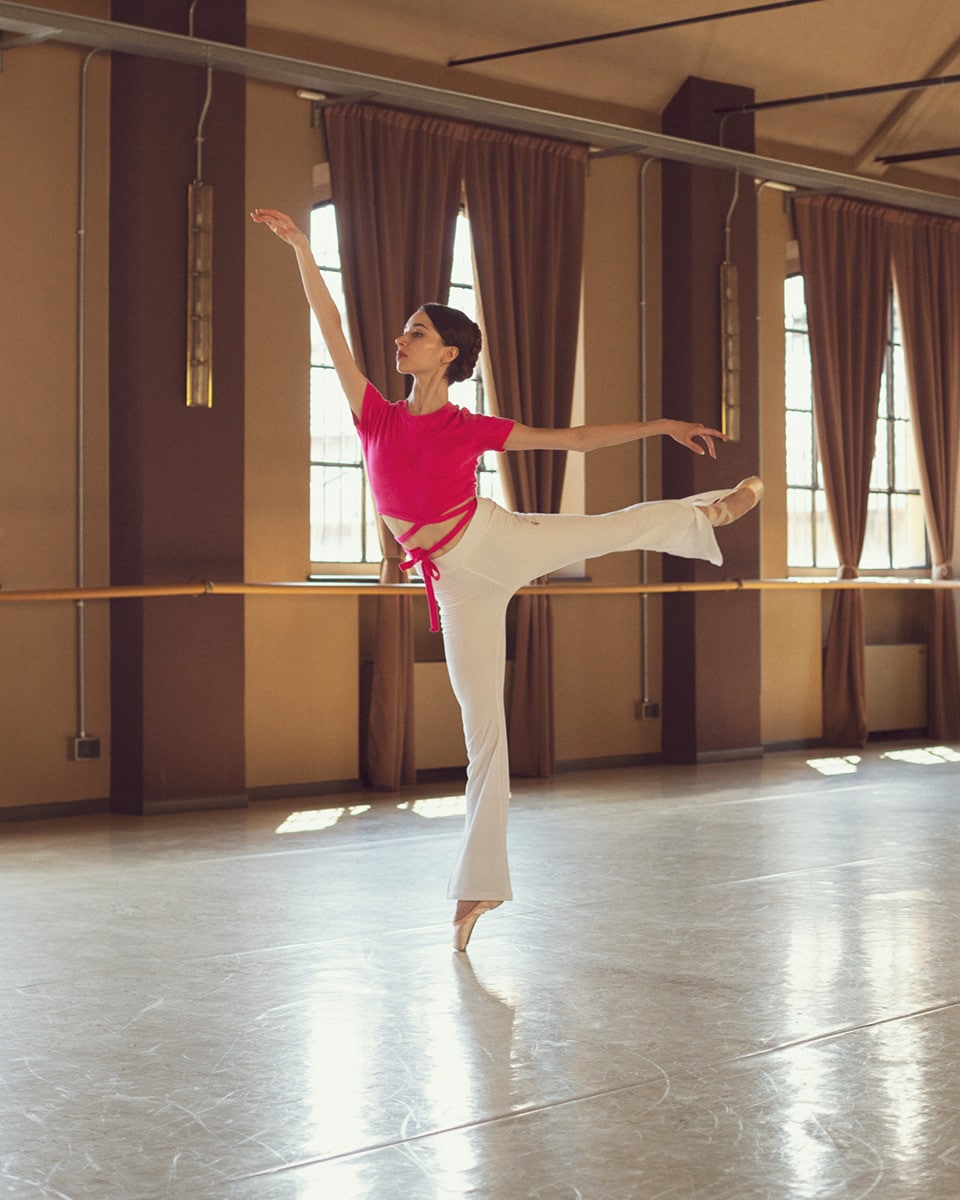
Artists Of Movement: Season 2
Art Direction, Storytelling, Social Content, Editorial Plan
When values stop being a slogan.
And this is what makes the project a success. Freddy didn’t need to become something else. It needed to go back to being itself, but in a way that spoke to people’s hearts again.
When a brand manages to do this, its values truly stop being a slogan. They become a living presence, and the reason why that brand, still today, has something unique to say.
This is the kind of work we describe as communication strategy in the fullest sense of the term: not an isolated campaign, but a system that makes credible what the brand wants to be.
In short, this is how we worked on Freddy TAOM.
Freddy is a historic Italian sportswear brand. At YOHOHO we built for Freddy a multi-year narrative path centered on the tagline The Art of Movement (TAOM): manifesto film (“You are more than an athlete, you are an artist”), interviews and videos with Jury Chechi, Nicoletta Manni and Alessia Maurelli, a social media content plan structured like a magazine, editorial content and photography.
This project shows how to turn a historic slogan into a credible, lasting brand positioning through a communication strategy that stays consistent over time. For Freddy we worked on a complete communication path, which also includes the logo rebranding.
Dare to challenge us?
Tell us about your sportswear brand:
bebrave@yohoho.studio