Lamborghini Urus: a creative campaign that changes the brand’s story.
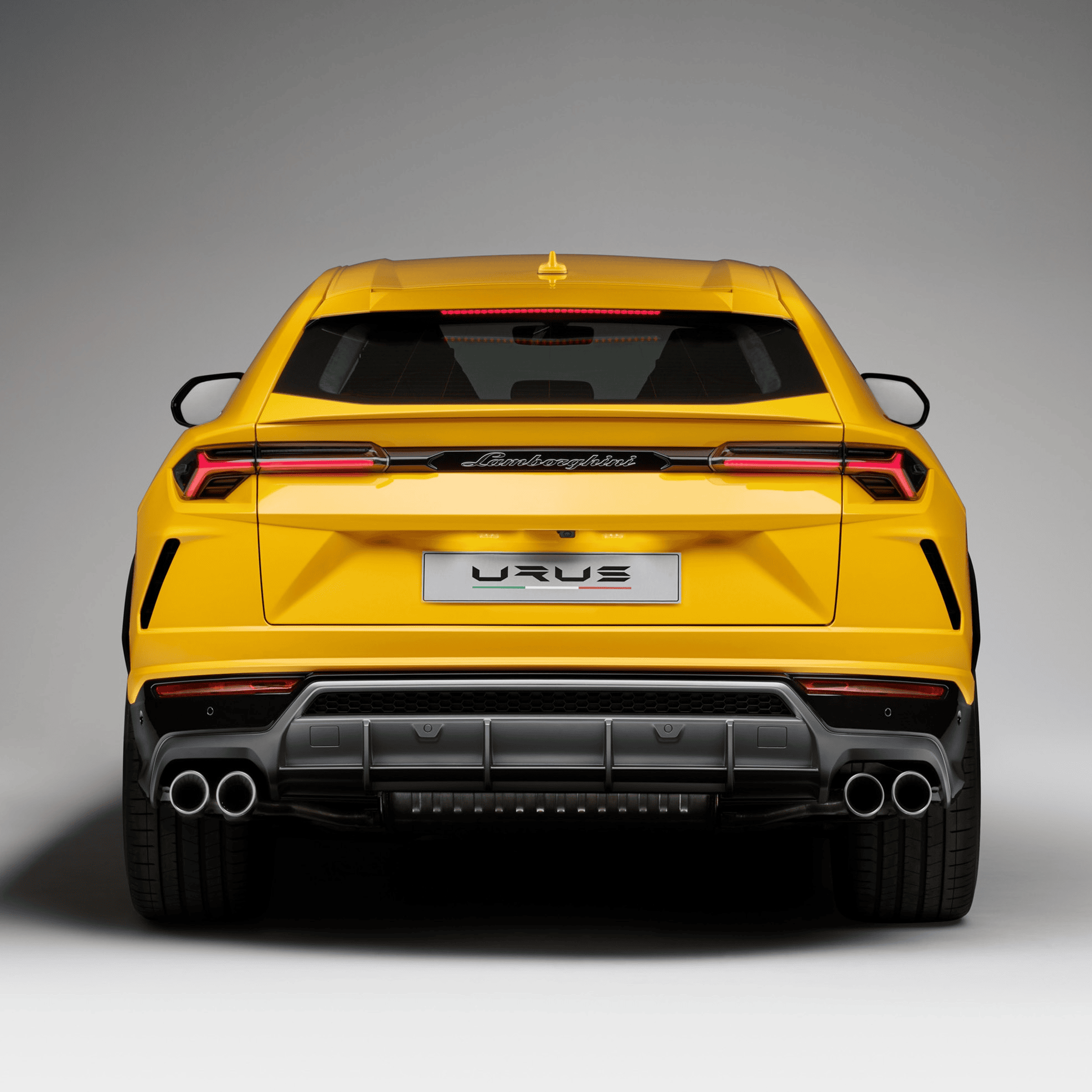
With Urus we helped Lamborghini do something very rare: not just present the world’s first Super SUV, but use it to rewrite the meaning of the brand, open it up to a new audience and establish it as the ultimate challenger brand.
In the automotive world, it rarely happens that a new model forces a brand to rethink the way it tells its own story. Usually communication does the opposite: it takes the brand’s well-known values and applies them to the new product, trying to keep its world intact. It’s the most natural method, and often the most cautious one too. A brand has a history, a tone, an aesthetic, an audience; a new model arrives, and it gets folded into that grammar.
With Lamborghini Urus, the problem was far more interesting. It wasn’t just about launching a new car. It was about introducing the world’s first Super SUV and, in the same move, redefining the way Lamborghini talked about its history, its attitude and the people it was speaking to. It’s the challenge of every advertising campaign: making sure a single launch leaves a mark on the brand’s language.
Because Urus wasn’t a simple range extension. It was a break in the line. One of those moves that force a historic brand to reread its past in the light of a future that, until shortly before, seemed impossible.
Urus didn’t just call for a creative campaign: it called for a new autobiography of the brand.
The starting point of the project was all here: if Lamborghini was about to launch the first Super SUV, saying it had done so wasn’t enough. It had to explain why a move like that was perfectly consistent with its DNA.
This insight gave rise to the creative platform #SinceWeMadeItPossible, developed to reread the entire history of Lamborghini as a history of challenges made possible. The concept served to rethink the brand not simply as a supercar maker, but as a company that has always opened new roads thanks to revolutionary machines, of which Urus was only the latest chapter.
It’s a very refined choice, because it immediately shifts the center of gravity of the story. From building tractors to Ferruccio’s dream of creating the perfect car, all the way to the futuristic lines and the strength of the bull, Lamborghini is presented as a brand that has always made possible what seemed impossible. From this lineage comes the new tagline: Since we made it possible.
This is where the campaign makes its boldest move. Instead of using Urus to confirm the brand’s history, it uses the brand’s history to legitimize Urus. Instead of saying “we’ve made an SUV too”, it says “if there’s one brand that could do it, that brand is us.”
The creative strategy: the Super SUV wasn’t just a new car.
This point deserves to be made even more clearly. Super SUV wasn’t just any technical definition. It was a formula that solved a very precise problem: how to present a car that opened up a new category without making it look like a compromise.
Because the risk, with Urus, was obvious. An SUV, however extreme, comfortable, spectacular or high-performing, could have seemed to some like too great a departure from the Lamborghini myth of two-seater supercars. The job of the campaign, then, wasn’t just to present a new model. It was to give the right name to what that model represented. Not just any SUV, not a concession to the market, but the world’s first Super SUV: a new species, bringing the symbolic power and attitude of a Lamborghini into the body of an SUV.
This difference is strategic. Because when a historic brand opens a new category, it must never look like it’s chasing the market. It has to look like it’s doing what only it could do.
Lamborghini as the ultimate challenger brand.
Once this center was found, everything else followed. Lamborghini is no longer presented only as a supercar brand, but as the brand of challengers.
The manifesto film features very clear statements: “We are innovators”, “We are rule-breakers”, “We are technology pioneers”, up to the final summary: “We are challengers.” This identity is connected to people and achievements that, in very different fields, made possible what seemed impossible.
The meaning is clear: Lamborghini no longer just talks about its own cars. It places itself on the same symbolic axis as all those people and organizations that changed the rules of the game. The supercar doesn’t disappear. But it’s no longer the only place where Lamborghini recognizes itself. The brand broadens, and it does so upward, not downward.
The real challenge: speaking to new people without betraying the brand.
This is the most important point of the whole project. Urus didn’t just open Lamborghini up to a new market. It opened Lamborghini up to new people.
Until then, much of the brand’s world had spoken mainly to a very specific audience: young people, sports enthusiasts, collectors, rappers, musicians, men drawn to an idea of the car as extreme, loud, aggressive. A powerful, identity-defining world. But with Urus that conversation was no longer enough. For the first time Lamborghini was opening its doors to a different audience: executives, more mature men, career mothers, families, people who wanted to enter the Lamborghini world without giving up comfort, space, versatility and everyday use.
The task wasn’t to soften the brand. That would have been a mistake. Lamborghini didn’t need to become more bourgeois, more cautious, more family-friendly. That would have been a betrayal of its DNA.
Something much harder was needed: finding a broader emotional ground that could hold together Lamborghini’s intensity and the aspirations of a new target. The answer was to shift the story from the type of car to the type of person. No longer just the extreme machine to show off, but the symbol of those who make possible what seemed impossible.
A commercial that avoids yet another dark, aggressive Lamborghini.
This is where the launch film comes in. In our commercial, Urus isn’t yet another testosterone-fueled, dark, aggressive Lamborghini, but the symbol of those who make possible feats that seemed impossible.
This change of tone is fundamental. Because instead of insisting only on the car as an extreme machine, the film uses it as the emblem of a broader human attitude. The presence of Belgian astrophysicist Michael Gillon among the protagonists is no accident: it puts the car in dialogue with an idea of excellence that isn’t only about speed, but also about the ability to push beyond the limits of the possible.
In this sense the film doesn’t just show Urus. It places it within a constellation of challengers. The car is presented as a new threshold crossed by Lamborghini, but also as the ideal object for those who, in their own lives, keep inventing new perspectives and setting new records.

Lamborghini URUS
Film, Print, Social Content, Catalog
From film to catalogue: an integrated campaign that becomes an editorial system.
The most interesting part of the project, though, is that this big idea doesn’t stay confined to the commercial. It’s rolled out across every touchpoint of the launch: social media, the launch event, website, dealerships, billboards, sales materials and catalogue. In the way we approach our services the rule is always the same: strategy, creativity and tools have to speak the same language.
The catalogue, in particular, is a great example of how a campaign can become an editorial system. It isn’t conceived as a simple collection of beauty shots and spec sheets, but as The Possible Catalogue: a reportage-style catalogue that tells how the plant, engineers, designers and Lamborghini’s working heroes made the birth of the new Super SUV possible.
The catalogue alternates portraits of key people, photos of the plant, interviews and content dedicated to the details of the car. The car isn’t presented only through its performance, but as the result of a collective challenge.
Social media, teasers and the Industry 4.0 plant: a content strategy built on the product as a narrative platform.
The same logic runs through the teaser phase and the social media content strategy. Even before the reveal, the campaign prepares the ground through five very clear pillars: Lamborghini’s history, the Industry 4.0 plant, the challengers, the people and, of course, the Super SUV.
The point of this gradual build-up is clear: growing anticipation not just by showing details of the car, but by making people feel that Urus was born within a broader philosophy. The new plant isn’t presented as a simple industrial upgrade, but as further proof of Lamborghini’s ability to make possible what seemed impossible.
Around this framework come media suggestions, influencer activation, digital PR, blog tours, test drive events and a microsite designed to gather all the content of the Urus world.
In other words, Urus isn’t simply launched. It’s built as a narrative platform.
When a campaign truly changes a brand’s story.
This is where the project becomes exemplary. Many automotive campaigns still work in silos: commercial, brochure, dealers, social media. Here, instead, everything comes from the same idea. And that idea isn’t only about the car, but about a complete rereading of the brand.
Lamborghini uses Urus to tell itself, once again, who it is. A brand that doesn’t follow the line, but breaks it. A brand that doesn’t just defend its legend, but updates it. A brand that doesn’t just build impossible cars, but recognizes and rallies all the people who are doing the same thing in their own field.
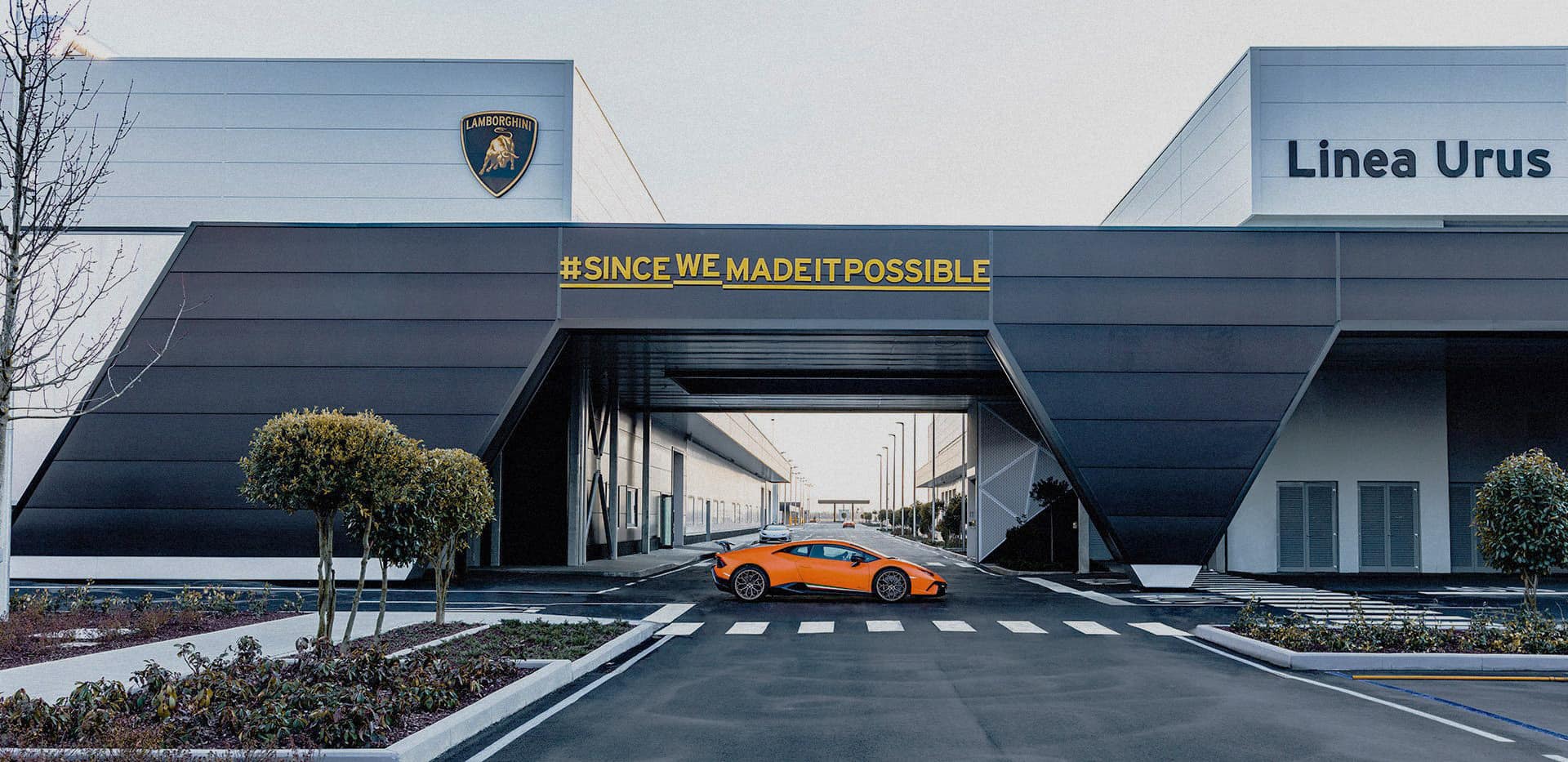
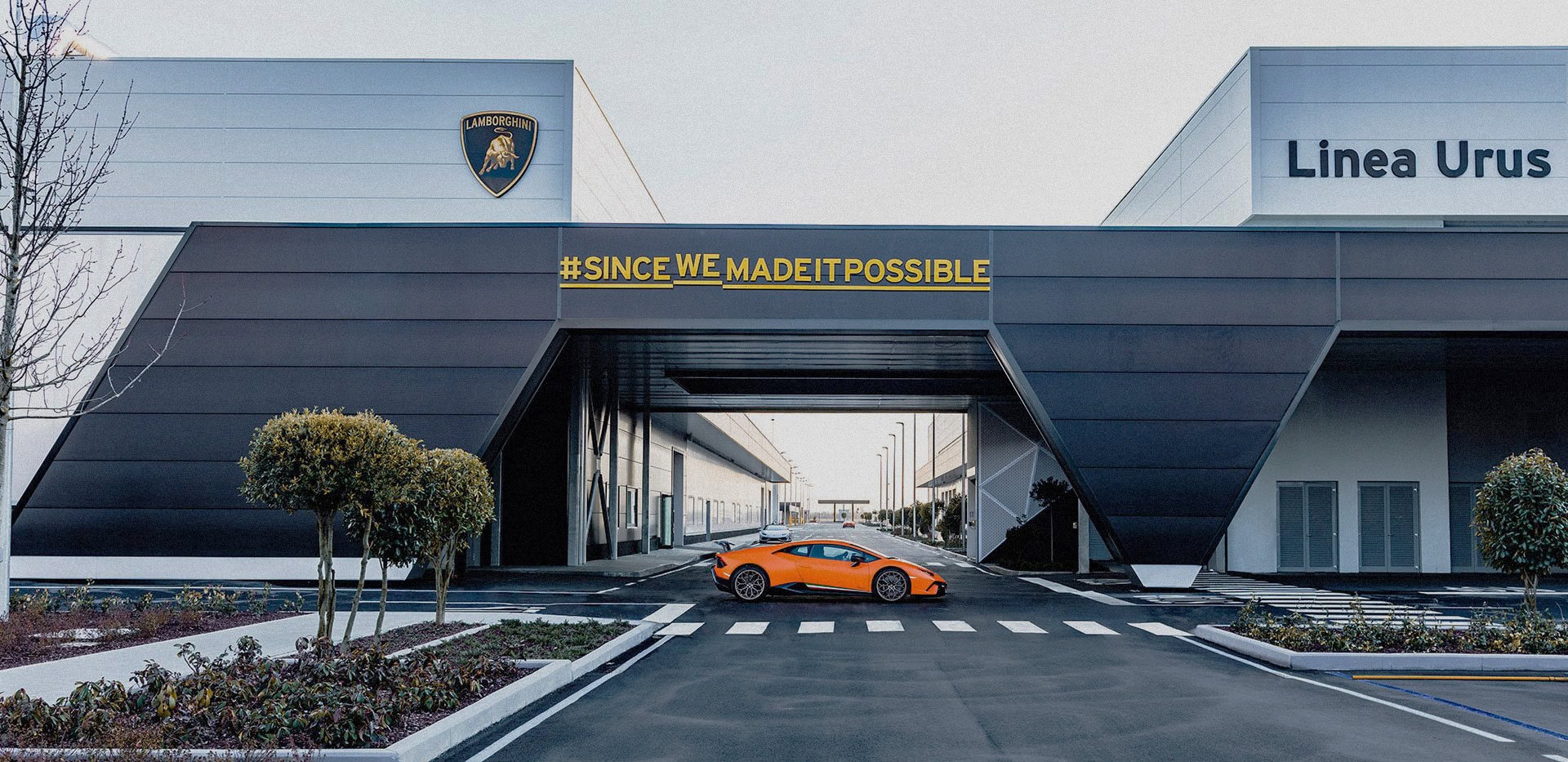
The fact that the tagline Since we made it possible ended up written in giant letters on the Industry 4.0 plant is very telling. It means the campaign didn’t remain an advertising idea, but became a formula that describes the brand from the inside. As in the case of Freddy TAOM, where the creative work didn’t stop at a single commercial but deeply transformed the brand’s narrative over time.
A rare case in which a product launch doesn’t just generate attention or sales. It leaves a mark on the brand’s language. And when that happens, the campaign is no longer communicating a new model: it’s changing the brand’s story.
In short, this is how we tackled the creative challenge of Lamborghini Urus.
Lamborghini Urus is the world’s first Super SUV. At YOHOHO we created the integrated launch campaign with the creative platform #SinceWeMadeItPossible: manifesto film, the editorial catalogue The Possible Catalogue, a social media strategy built on five pillars (history, Industry 4.0 plant, challengers, people, product), media suggestions, digital PR, test drive events and a microsite.
The tagline was later adopted as the brand’s corporate motto, appearing on the façade of the Industry 4.0 plant in Sant’Agata Bolognese.
This project shows how an automotive launch campaign can rewrite the overall narrative of a historic brand, opening up new audiences without betraying its DNA.
Dare to challenge us?
Tell us about your brand project:
bebrave@yohoho.studio