Our New York advertising agency services: from creative strategy to branding, from content to websites and Meta and Google Ads campaigns.
YOHOHO is a creative agency in New York and Milan working on branding, websites and Meta and Google Ads campaigns. Every project starts from a creative strategy built together with the client. Then it takes shape in a consistent path, designed for startups, small businesses and brands that truly want to stand out.
The whole creative process starts from a very simple question: what, concretely, needs to happen to this brand? Does it need to be born from scratch? Does it need a name people will remember? Does it need to enter a saturated market and stand out right away? Does it need to relaunch a small business with an important history? Does it need to turn a technical product into something desirable? Does it need to generate leads, build trust, finally look equal to its own ambition?
This is where our work begins: with a path built together, even before a list of services.
That’s why we don’t like talking about branding, storytelling, websites and campaigns as if they were separate compartments. We prefer to think of them as different moments in the same process. A process that can involve very different companies: the tech startup founder who has developed an innovative solution and needs to find the right way to tell its story; the small business with an important heritage that wants to be contemporary again; the inventor of a revolutionary sportswear patent who needs a strong language to enter the market; the entrepreneur investing in a new franchise model in aesthetic medicine who has to build everything, from the name to the communication.
In all these cases, the underlying question is always the same: what can we build together, and in what order, to make the brand grow?
It all starts with a strategic workshop done together.
For us, the first step is always the creative strategy. But not as an abstract phase, nor as a document handed down from above. The strategy comes out of a workshop built together with the client: an intense working day, side by side, where we put everything on the table.
We talk about the brand, of course, but also about the business. About the sales strategy, the services, the products, the strengths, the weaknesses, the risks, the opportunities, the market and the competition. We try to understand what the client already sees clearly and what, being too close to the project, they can’t yet bring fully into focus. It’s a moment of digging and alignment.
For us it’s essential that this phase is shared. Because setting goals together completely changes the work that comes after. It keeps us from staying generic. It lets us know which milestones we want to reach, on what timeline and in what order of priority. And above all it lets us build a concrete communication strategy, one that knows where it wants to go and concentrates every effort there.
This is the phase where we analyze the landscape, define the goals, bring the brand’s positioning into focus and find the creative idea that will guide everything else. In some cases the problem is standing out in an industry where everyone looks alike. In others it’s making a complex offer easy to read. In others still it’s making a startup come across as already authoritative, or a small business as contemporary again. Whatever the starting point, our job is to find the right idea: the one that makes everything clearer and more memorable.
When the strategy is clear, the brand starts to exist.
Once the direction is set, the brand has to take shape. This is where we get into the actual work of branding: creating from scratch or reinventing an identity that unleashes the full potential of visual and verbal communication.
In this phase, too, we never work on isolated elements. We don’t think of naming as an exercise separate from tone of voice. We don’t think about the logo without thinking about the world it will have to represent. We don’t think of the tagline as an accessory line. Everything has to help define a consistent identity.
From naming to brand identity: how a consistent identity is born.
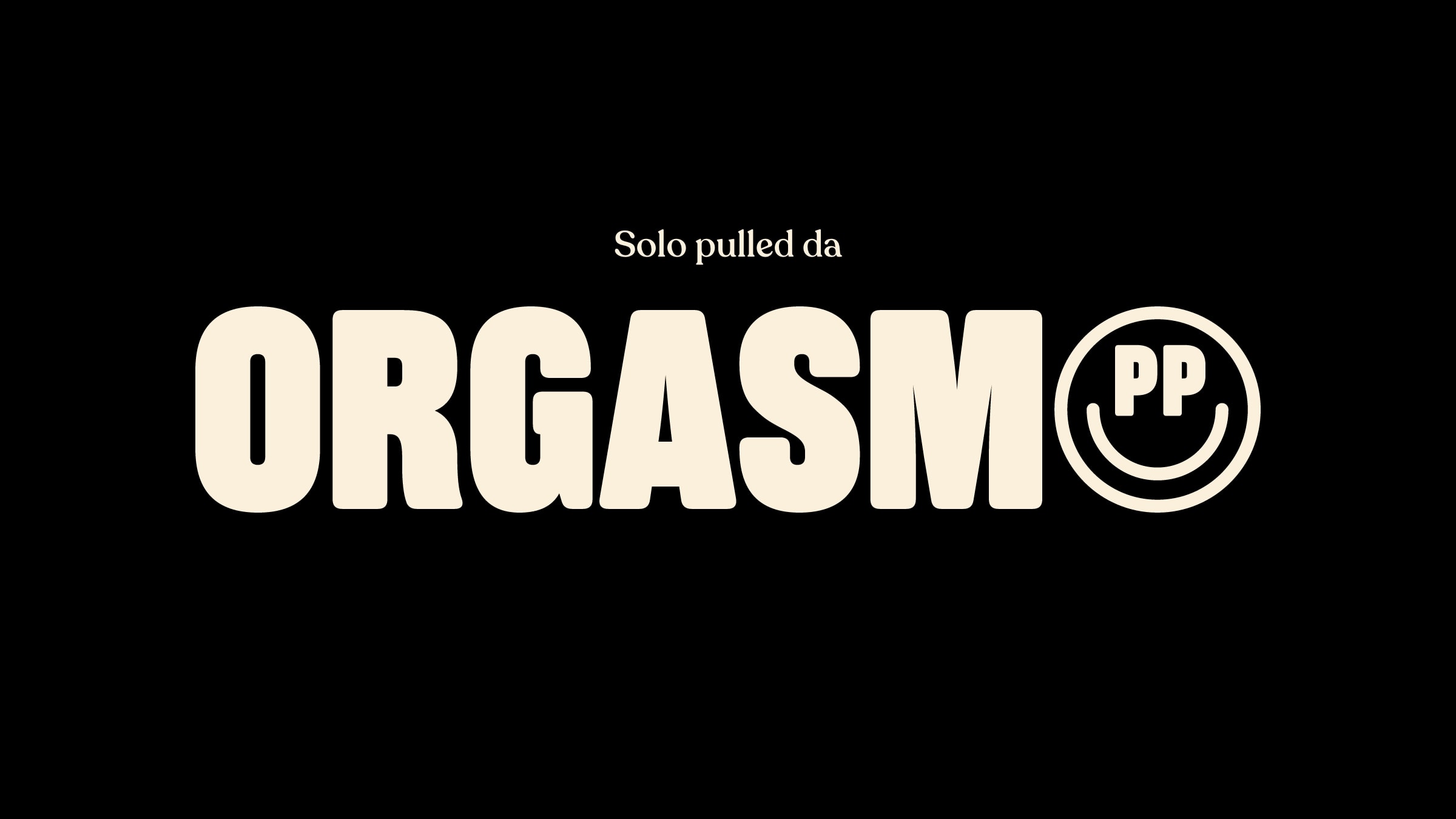
Sometimes the first knot to untangle is the name. And that’s where you immediately see how much the strategic work matters. A strong name isn’t just memorable. It already contains a promise, a tone, a position. It happened with Pulled Porn, a name impossible to ignore for a street food franchise that needed to declare its provocative character from the very first impact; with Mnemo, where the name had to give an almost symbolic depth to a new photo booth experience tied to memory, the present and artificial intelligence; or with Capoha, where the naming helped a B2B engineering consultancy break out of the industry’s most predictable codes.
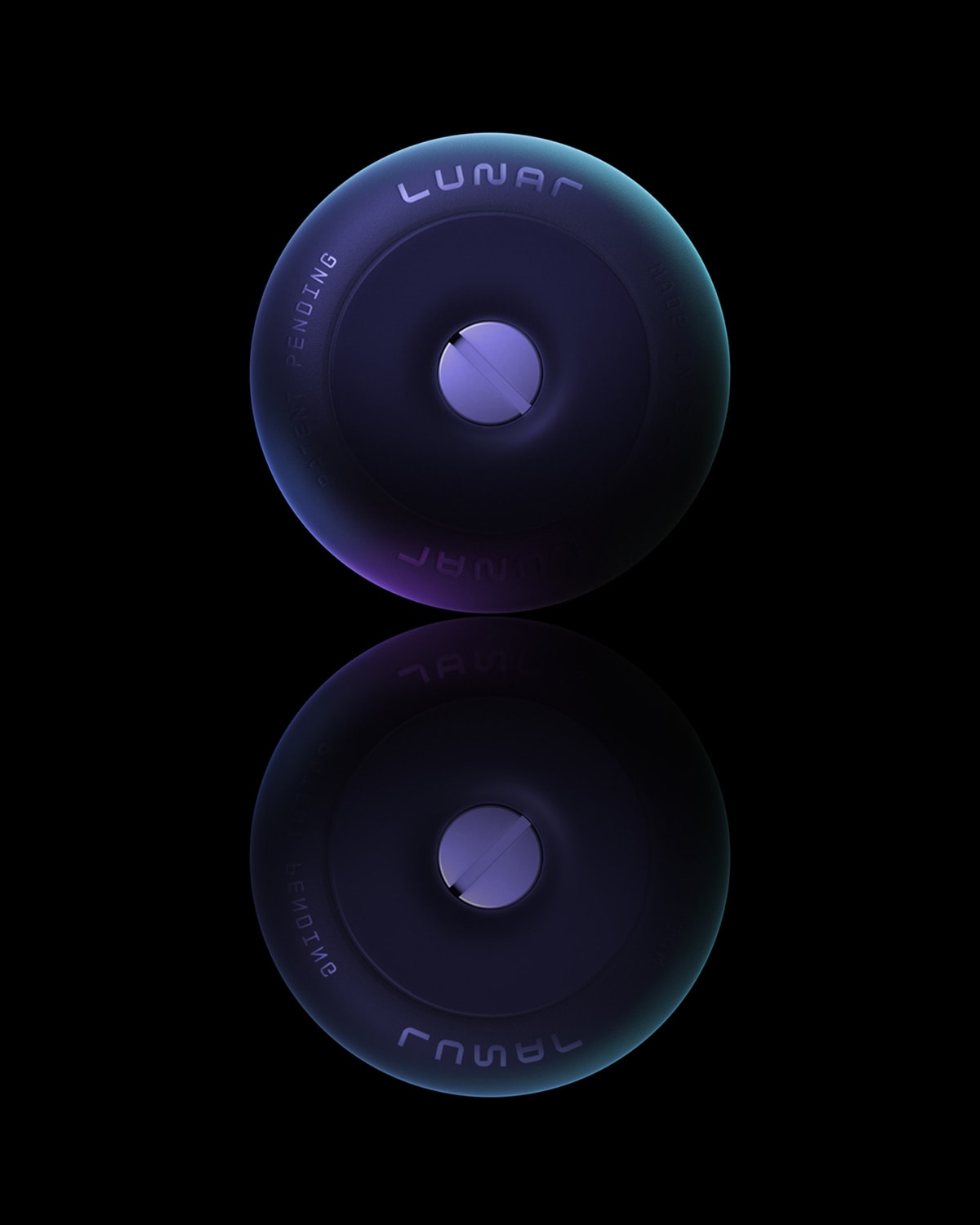
But of course branding doesn’t stop at naming. The point is to make every element of the identity work in the same direction, reinforcing the same idea. This is where a project like Lunar helps explain how we work. In that case everything contributed to building a consistent and very powerful story. The name had a sci-fi flavor and immediately opened up a whole world. The logo subtly but clearly echoed NASA and the language of space missions. The tagline, “The quietest wheel in the universe”, introduced a solemn tone only to sabotage it right away with a carefully measured dose of self-irony. The visual identity looked as if it had been borrowed from an authoritative scientific journal. The art direction of the images built a credible and surprising sci-fi universe. And the copywriting told the story of the patent in a constant balance between the promise of an almost “Apple-style” innovation and its most radical parody.
This is what we mean when we talk about brand identity: a system of signs, words, images and tone of voice that makes the brand immediately perceptible and compact, where every piece confirms the others. And in the end the brand no longer looks like a sum of well-made components, but like a precise world, hard to forget.
Storytelling and content creation: every brand needs a story and the right media to tell it.
After the strategy and after the branding comes the moment to bring the brand to life. This is where storytelling comes in: not as simple content production, but as the choice of the media and languages best suited to making the positioning ever more visible, desirable and credible.
Here too the question is never “what content do we make?”, but “what should the audience perceive, over time, when they come into contact with this brand?”. Starting from this question we understand whether what’s needed is an advertising campaign, a social media content plan, a lookbook, a video series, 3D content, illustrations, branded content, or a combination of these tools. The goal, though, is always the same: building perception instead of noise.
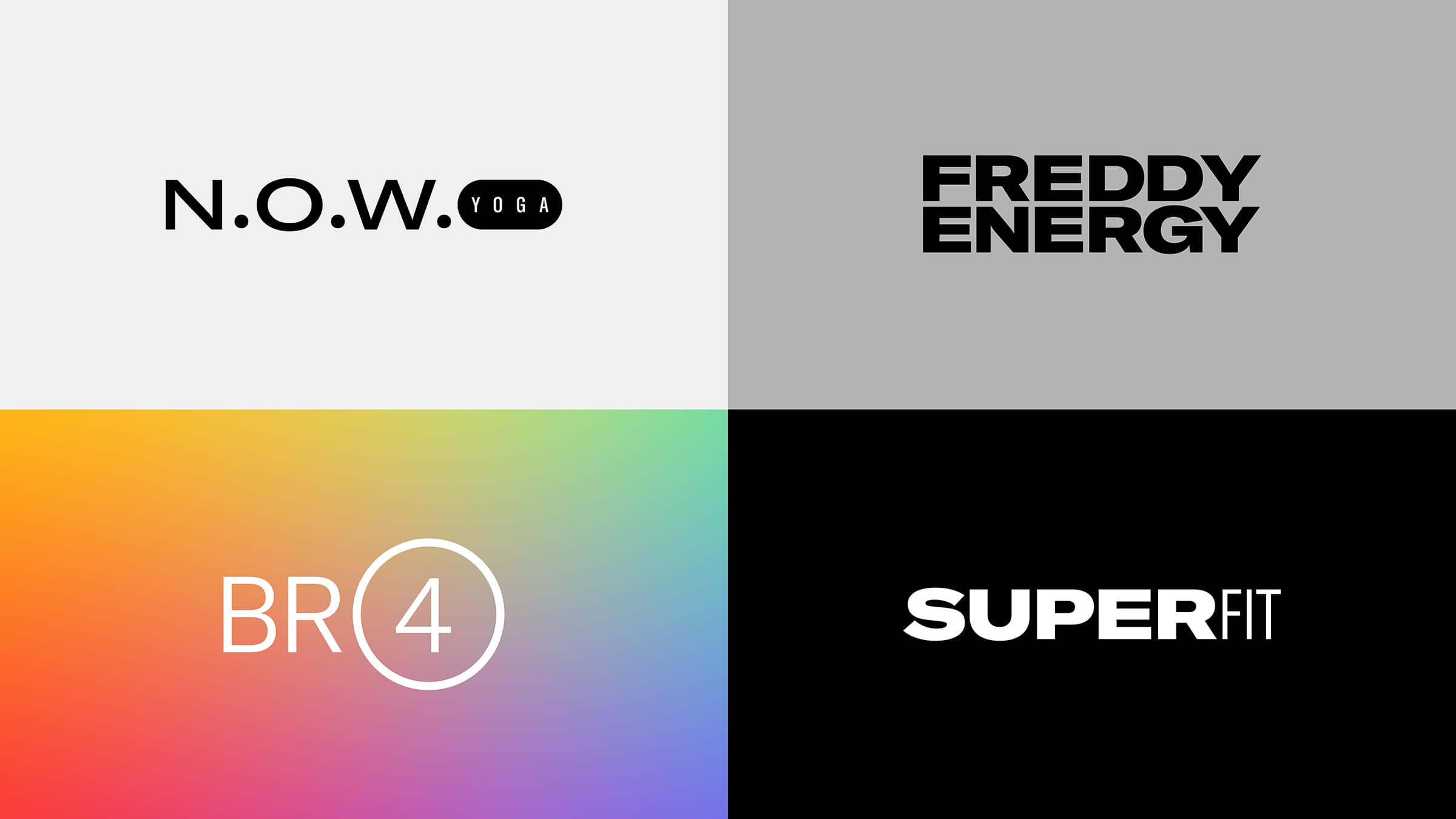
Sometimes this means guiding the audience step by step, over time, building trust and making a vision ever clearer. That’s what happened with Freddy. There the work started from a manifesto film and developed consistently for years through social media content plans, editorial content and magazines, eventually involving figures like Jury Chechi, Alessia Maurelli and Nicoletta Manni. The point was to prove over time that Freddy’s values were truly different from those of other sportswear brands. That the brand talked about movement as expression, not performance as obsession. In cases like this, storytelling serves to let a position settle and become credible.
Other times a completely different move is needed. Not guiding gradually, but striking right away: provoking a sharp reaction, almost a small shock, instead of building trust by accumulation. That’s what happened with Crash Baggage. With them the work radically changed the brand’s way of communicating, finding an original attitude in letting the unexpected leave its dents. From there came the Crash Stories, with their nonsensical, unpredictable surrealism, which turned a product feature into a world of its own and a mindset. In cases like this, storytelling doesn’t just accompany the brand, it imprints it on people’s memory.
This is exactly the difference we care about. Understanding, each time, what form the story should take to engage the audience. Whether it calls for a gradual approach or a plot twist, whether it’s better to build authority little by little or break expectations right away. Because telling a brand’s story doesn’t mean filling space, but finding the right rhythm to get it into people’s heads.
Website design: the website comes after the strategy, to make the creative idea even stronger.
We like to design and develop websites only after working out the most effective creative strategy. It’s not a rule of method: for us the website is one of the most important tools for translating the brand’s positioning into a concrete experience, and without a strategy it has nothing to translate.
When the strategy is clear, the website stops being a container of information and starts working. Architecture, UI, UX, web design, visual and written content, development: professional website design is never a separate technical exercise, but the moment when strategy becomes a concrete experience for the people browsing.
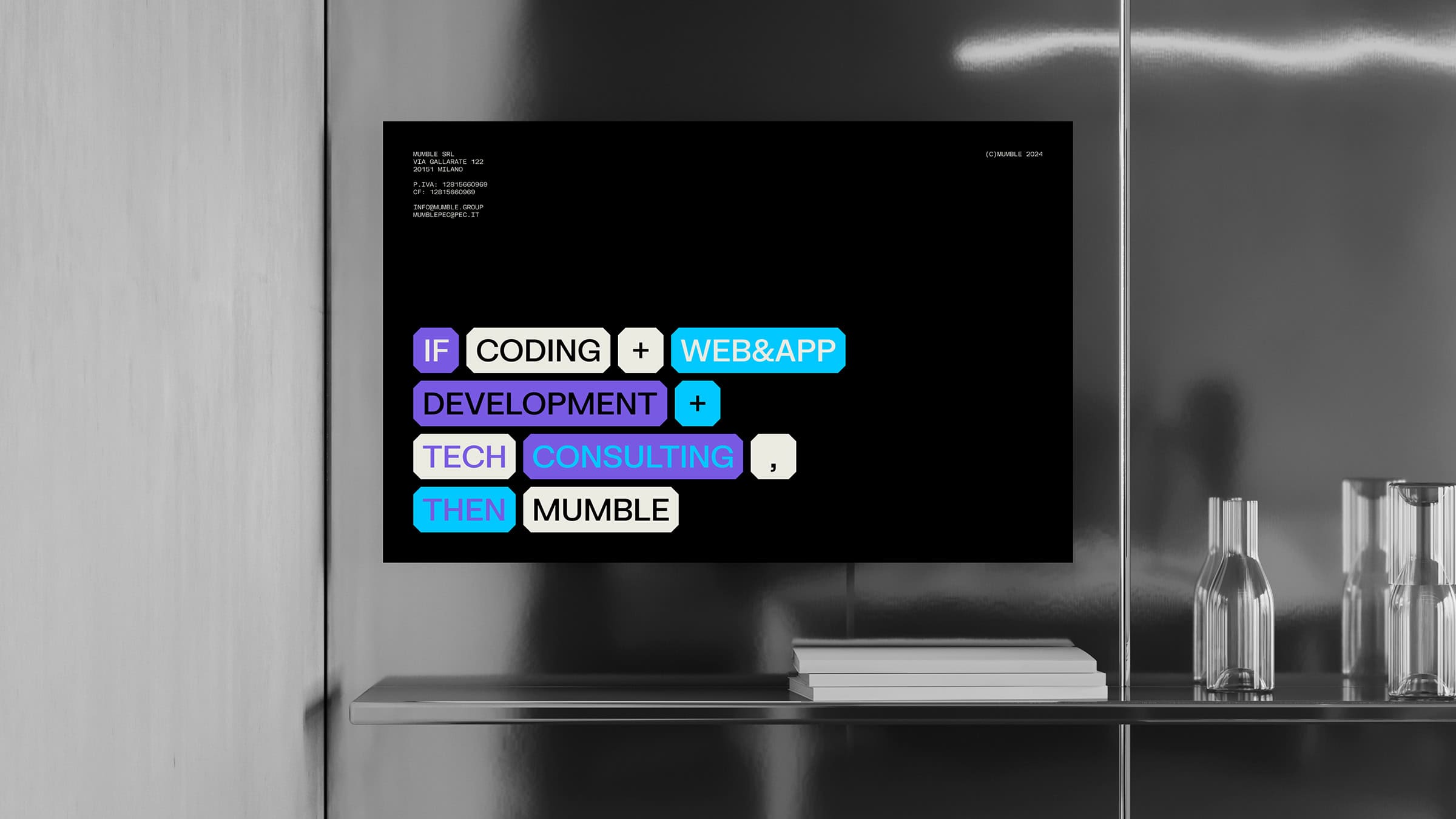
Two different ways of using a website: credibility and imagination.
In some cases the website first of all has to build trust. That’s what happens, for example, with Ritocchini. In an industry like aesthetic medicine, often presented through cold, soulless language, the website had to do much more than present a service. It had to convey a different language right away, more contemporary and closer to people, without losing authority. There the website becomes a tool for credibility: the place where the brand proves it’s different not just in theory, but in the experience it offers to those who encounter it.
In other cases, the website mainly has to amplify a world. With ROT the point wasn’t simply to show a collection or set up a shop. People had to sense from the start that the brand inhabited a precise world, with its own tension between luxury, radicalism, elegance and friction. And so the website becomes an integral part of building that universe: not a technical support, but a narrative surface that reinforces the positioning and makes it tangible, almost physical, for the people browsing.
The principle is always the same: the website translates the brand and, at the same time, strengthens the idea at the center of the project.
Google Ads and Meta Ads work better when they’re part of the same path.
At this point Google Ads and Meta Ads come into play too. But for us they’re never a final add-on, nor a department working disconnected from the rest. They’re a natural continuation of the project.
When we’ve built the strategy together with the client, when we know what the brand’s positioning is, when we’ve worked on naming, identity, tone of voice, content and website, then we can manage campaigns with much tighter control. We know which media to invest in, with what message, in what tone, with which creative assets. And above all we know how to correct course, if needed, without wasting time on pointless handoffs between the people who think and the people who execute.
For clients this is a huge advantage. It means campaigns that are faster to optimize, smarter in their testing, more aligned with the goals shared at the start. It also means working on the budget more consciously, investing where it makes sense. That’s also why social media campaign management is always part of a broader path, not a department of its own.
We don’t sell standard packages: we build the right path together.
One thing, at this point, needs to be made clear: not every client needs everything right away. That’s why we care about working together with them, instead of selling services on autopilot.
Some come to us with a startup that doesn’t have a name yet and need to start from branding. Some already have an identity but need to turn it into a strong website. Some have a very interesting product but haven’t yet found the right way to tell its story. There’s the small business with an important history that needs to regain its relevance. There’s the brand that needs consistent content over the long term. There’s the project that, in order to grow, needs campaigns able to generate leads or sales.
Our work consists precisely in understanding, together with the client, what the real problem to solve is and in what order to tackle it. This is the meaning of the path: a sequence of consistent choices. Sometimes we start from the workshop and go all the way to the campaigns, sometimes we begin with naming. In other cases the decisive point is the website, or the difference is made by a well-built storytelling strategy. But in every case everything starts from the same question: what’s the smartest, most creative and most effective way to make this brand grow?
In the end, this is how we work with clients.
We work together with clients to find a strong idea. We turn it into an identity. We bring it to life through consistent content, websites, campaigns and tools. We measure the work against the goals we set together at the start. And we keep adjusting the path so the brand can grow without wasting energy.
This is what we mean when we say that every project starts from an explosive strategy. It’s a working method: a way to make sure that branding, storytelling, website and advertising don’t get in each other’s way, but strengthen one another.
And it’s also the reason we like working with very different clients. Because we don’t apply the same formula every time. Each time we build, together, the path that fits best. Markets change, languages change, goals change. But the principle doesn’t: finding the center of the project and building everything else around that idea.
Questions we often get.
What happens when I hire YOHOHO for a project?
The starting point is always a strategic workshop: a working day side by side where goals, market, competitors and positioning are put on the table. From there comes the creative direction that guides everything else: branding, website, content, campaigns.
Does YOHOHO work only with big brands or also with startups and small businesses?
Both. We’ve worked for Lamborghini and Freddy, but also for startups that didn’t have a name yet. The studio’s fluid structure lets us build the best team for each project, regardless of the client’s size.
Can I hire YOHOHO for just one specific service, like the website or ad campaigns?
Yes, although we prefer to work when the strategy is clear, whether it’s ours or already defined by the client. The more the path is shared from the start, the better the individual tools work together.
Dare to challenge us?
Tell us about your brand project:
bebrave@yohoho.studio