Why YOHOHO is the creative agency for startups and small businesses that truly want to stand out.
YOHOHO is a creative studio for startups and small businesses that builds brand identities, websites, advertising campaigns and social media content under one creative direction. We help those launching, repositioning or growing a company build recognizable brands, strong creative strategies and consistent paths to growth.
There are two moments when a company is most at risk of getting its communication wrong. The first is when it’s born. The second is when it grows. In the first case, because it still has to figure out who it is, how to present itself, what tone to use, what image to build and how to enter the market credibly. In the second, because it often realizes that its brand, website, communication and content are no longer in line with the real quality of the business. This is where startups and small businesses stake a decisive part of their future.
The problem is that in these delicate phases many companies still rely on a fragmented system. One freelancer for the logo, another for the website, an agency for the campaigns, someone for social media, maybe an outside consultant for positioning. On paper it looks like a flexible solution. In practice it often produces the opposite: disconnected visions, longer timelines, scattered budgets, weak results. And above all a brand that, instead of standing out, looks like a collection of pieces that don’t talk to each other.
And that’s why YOHOHO has become, over the years, a natural partner for startups and small businesses. Not because we work only with them. Quite the opposite: we’ve delivered projects for world-famous names and top-tier international brands. But it’s this experience, put at the service of younger or leaner companies, that makes us particularly effective with those who need to launch, reposition or grow a business. We offer high quality, a strong creative vision and an integrated way of working, without the rigidity of big agencies and without the dispersion of separate vendors.
A creative studio built for brave startups and small businesses.
YOHOHO is a creative agency founded in New York and Milan to take on the creative challenges of the bravest startups and small businesses. From the start we’ve organized ourselves in a fluid way: a lean structure that builds the best team for each project, with no unnecessary layers and no departments running on inertia.
For startups and small businesses this is a huge advantage. Because whoever leads a growing company doesn’t need a heavy machine. They need a team that understands the business, identifies the point of difference, builds a creative strategy and turns it into consistent branding, website, content and small business marketing. In other words, they need a partner that doesn’t just produce deliverables, but helps the brand take a position in the market.
For startups and small businesses, branding is the starting point.
There’s still a very common misconception. Many people think branding is something to do later, when the company is bigger, more solid, more structured. First, they say, you have to get going. In reality the opposite is true. When a brand is born or needs to relaunch, that’s exactly when it needs to be defined precisely. Otherwise it enters the market in a confused way. And catching up later is much harder.
For us, branding for startups and small businesses is never just a matter of designing a logo. It always starts from a strategic question: what perception should form in people’s minds when they come across this brand? Should it feel new or authoritative? Desirable or radical? Elegant or provocative? The answer to this question guides everything: name, visual identity, tagline, tone of voice, website, content, campaigns.
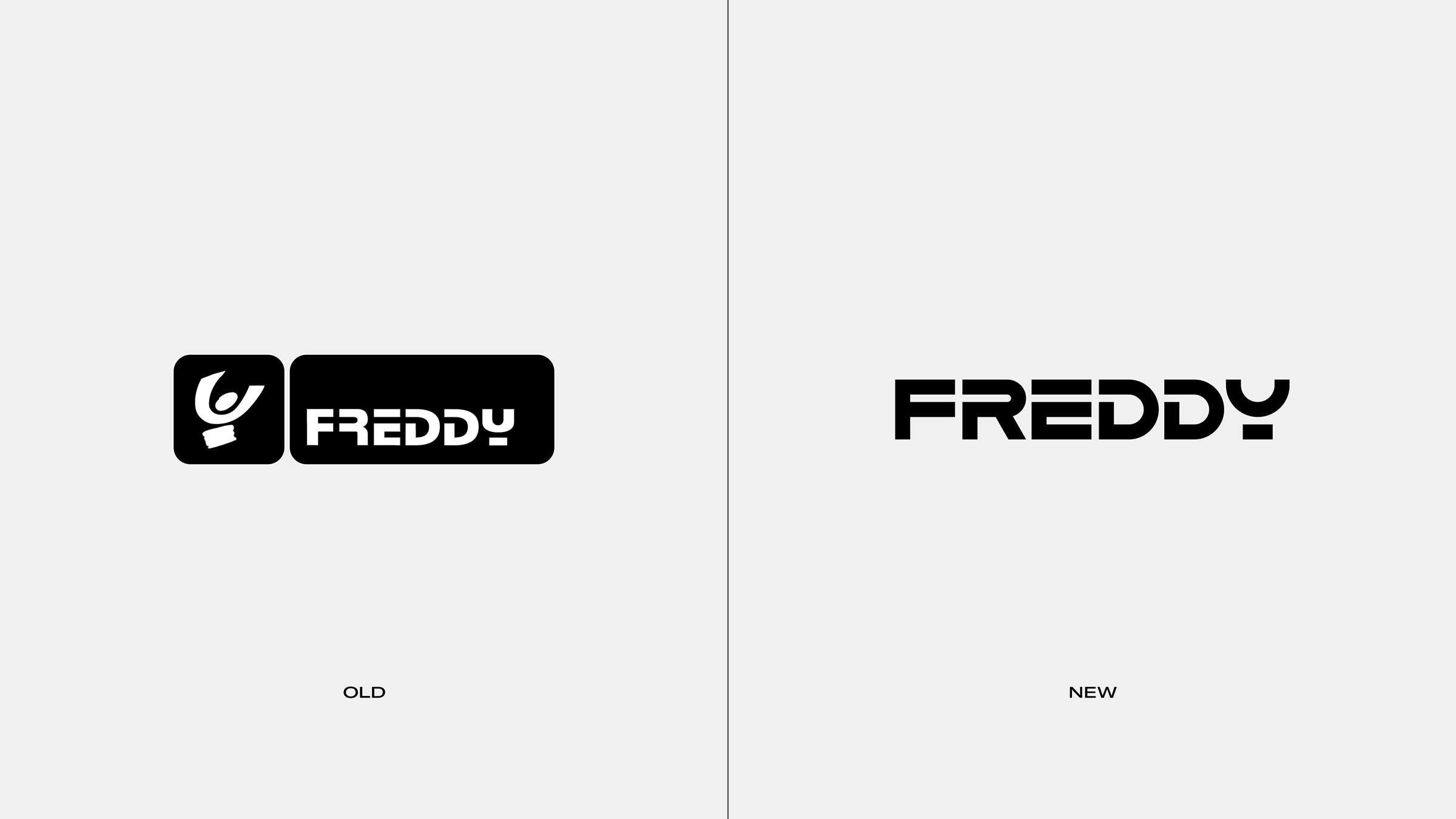
Freddy: the rebranding of a heritage brand finding its relevance again.
Freddy is one of the clearest examples of what it can mean to guide a company through a real transformation. Freddy didn’t need a new brand. It needed to regain relevance, desirability and direction, starting from an already important history.
The heart of the work was bringing its most distinctive truth back to the center: the idea of sport as the art of movement. A very different vision from the dominant one in sportswear, where almost everyone talks about performance, results, endurance and winning. Everything started again from there: campaigns, content, editorial projects, social media, special websites and, finally, the rebranding itself. This is where the value of branding lies for an established business: realigning how the company is perceived and giving it back a clear position in the present. Much more than “a new look”.
Mnemo: the branding of a startup born as a world, not as a product
At the opposite end is Mnemo, a perfect example of startup brand identity built from scratch. In a case like this, finding a good name or building a tidy identity wasn’t enough. A service had to be turned into a world of its own.
Mnemo couldn’t just look like a well-designed photo booth. It had to become the sign of a small philosophy of the present, an invitation to live the moment and hold on to it. A startup’s branding becomes strong right here, when it builds meaning before it even starts promoting. Name, tone of voice, visual identity, tagline, materials, language, experience: everything works to make people feel that the brand offers not just a function, but a recognizable world.
Creative strategy is what lets startups and small businesses stand apart from their competitors.
Many companies believe that standing out means looking a little more modern than the others. A cleaner logo, a more polished website, a slightly fresher campaign. But real differentiation doesn’t come from a makeover. It comes when you find a strategic and creative territory that truly belongs to the brand and that competitors don’t occupy.
For startups and small businesses this is decisive. Because the biggest risk, when you enter a market or try to grow, is looking interchangeable.

Crash Baggage: when a small business turns a feature into an attitude.
Crash Baggage is one of those cases that explain this shift perfectly. A small company with a strong, recognizable product, but still with everything to prove. In situations like this, the risk is to stop at explaining the feature. In their case, the dented suitcase.
Creative work is there precisely to go beyond that level. With Crash Baggage the dent stops being just an aesthetic or functional trait and becomes the symbol of an attitude: letting the unexpected leave its mark, making it a distinctive trait, turning the accident into a language. When this happens, the brand is no longer just selling a product. It starts to occupy a place in people’s memory. And for a small business this means competing on imagination, not just on the object.
Lunar: even in B2B, a startup can be radically creative.
Lunar is one of the cases that best show how we work with startups. And, above all, it takes apart a still very widespread prejudice: that B2B has to look serious in the most predictable sense of the word. Technical and correct, but also cold and forgettable.
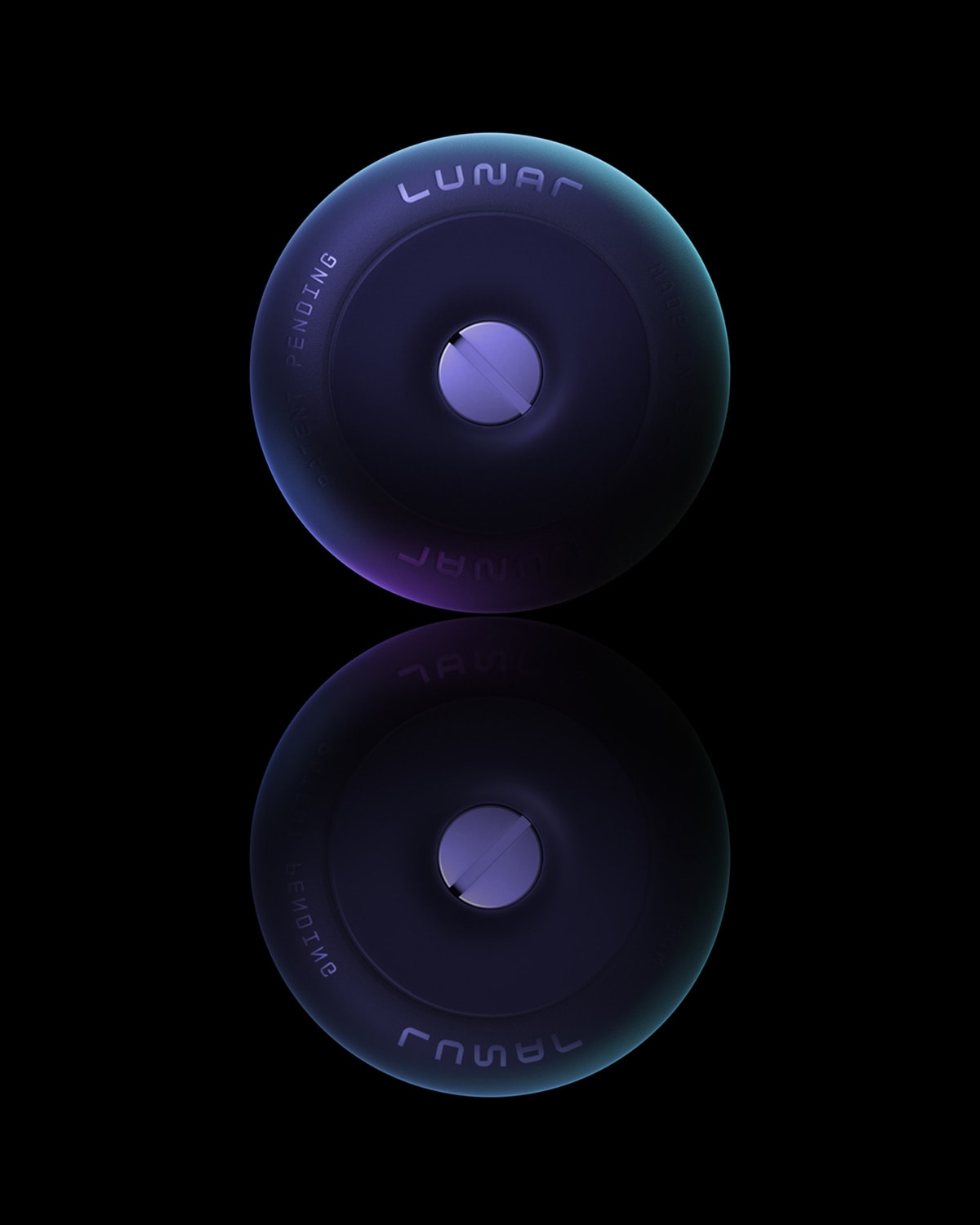
With Lunar we did the opposite. Around a concrete technology we built a brand and a website full of imagination: a space-age name, a logo inspired by space missions, a retro sci-fi universe, a promise like “the quietest wheel in the universe”, clear copy with a precise dose of personality. In short, even in B2B a startup can be hyper-creative without losing clarity. In fact, it’s often the strength of the imagery that makes the technical explanation more memorable.
Digital marketing for small businesses: campaigns and social media keep the brand alive over time.
Another very common mistake is thinking that a good identity at the start is enough. In reality a brand is built over time, through the consistency of its campaigns, content, social media and editorial choices. That’s why, for us, branding and storytelling are never separate.
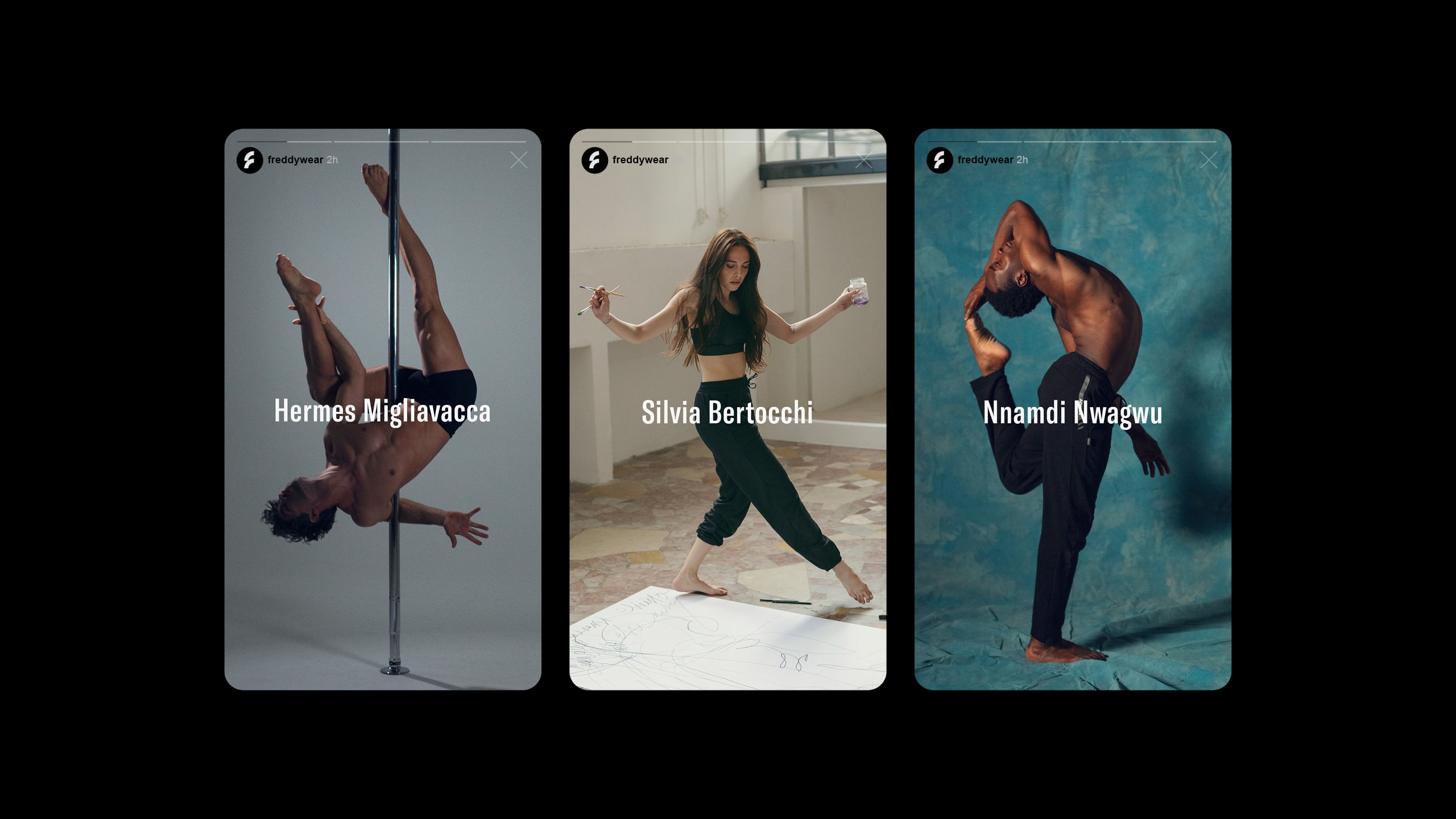
Freddy: a heritage brand’s social media content plan, built for the long term.
The work done for Freddy clearly shows how social media can become much more than a constant presence. It can become a true narrative architecture. The projects tied to The Art of Movement had a precise task: making the positioning ever clearer and more desirable over time.
The interviews and content dedicated to the Artists of Movement, with figures like Jury Chechi, Alessia Maurelli and Nicoletta Manni, gave the brand a cultural voice, not just a promotional one. And it’s an important lesson for small businesses too: an effective content plan isn’t the one that posts constantly, but the one that consolidates a vision and helps the audience understand, over time, which values the brand stands for.
ROT: creativity that helps a startup stand out in a saturated industry.
ROT is the perfect case for talking about startups in a hyper-competitive market like fashion. Today, launching a label with a beautiful aesthetic isn’t enough. The noise is enormous, the competitors are endless, images are consumed at the speed of the feed. In a context like this, either you build a universe or you disappear.
With ROT that’s exactly how we worked: brand identity, website, content and communication as expressions of the same world, built on a precise tension between elegance and provocation, between refinement and radicalism. This is what allows a startup to look not just new, but unmistakably different.
And this world-building didn’t stop at branding or digital. With ROT we also worked on a project like ROT Week, turning fashion week into a real positioning tool: a format that gave the brand a physical presence, amplified its language and created opportunities to meet the public, industry insiders and the community. This, too, is part of working with a startup for us: not just building its identity, but helping it find the right moments, places and gestures to get noticed.
For a startup or a small business, the website is a strategic lever, not a showcase.
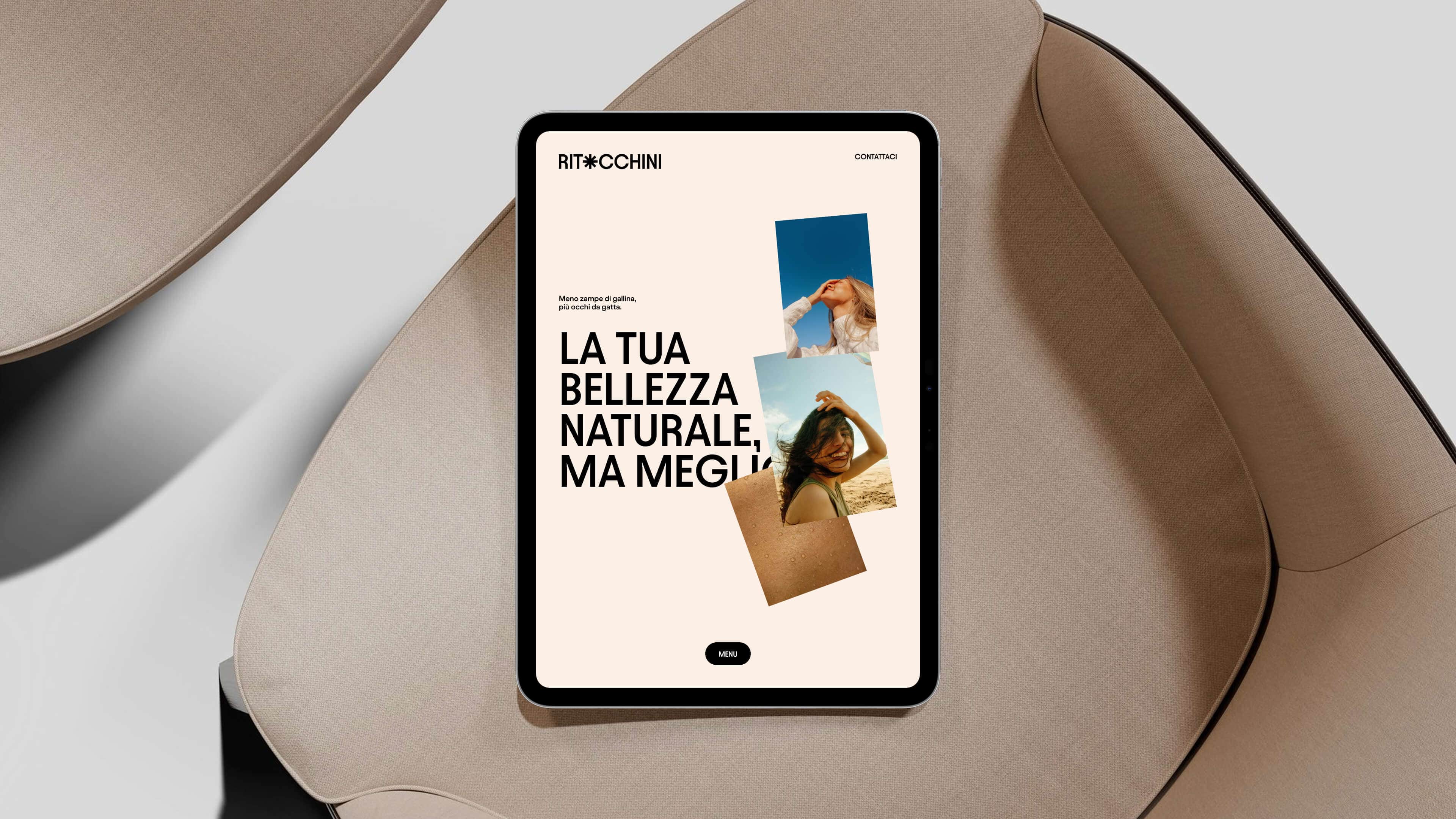
Ritocchini: a creative, authoritative website for a startup in a sensitive industry.
Ritocchini is a very clear example. A startup in aesthetic medicine finds itself in a context where almost everyone uses the same codes: cold tones, standard formulas, promises without personality, tired language. To stand out, “having a nice website” wasn’t enough. It took designing an experience that was distinctive, clear and authoritative all at once.
The Ritocchini website does exactly that. It translates the brand’s positioning into an elegant, essential, booking-oriented structure, while making it clear that this project speaks a different language. In cases like this the website becomes a tool for building trust: and when a reputation is still being built, that’s a decisive lever.
Kreoo: a marble design brand needs a website with a clear-cut personality too.
Kreoo proves another fundamental point: even when a company already has a strong product and an established presence, the website can be the place where the brand regains its intensity. Here the work started from a very simple and radical idea: luxury doesn’t need to explain itself too much.
From this premise came a website built on the power of images, with copy reduced to the essentials, full-page visuals and navigation designed to immerse visitors in the material and the world of marble. For a marble design brand this approach is decisive, because instead of merely informing, it amplifies the positioning. It turns a visit into perception. It makes people feel the brand’s value before even arguing for it.
For startups and small businesses, the real advantage is having one creative direction.
By now the central point should be clear. Startups and small businesses don’t need less quality. They need more quality concentrated where it counts, and to invest well. They need a partner who understands how to build a brand from scratch, or how to reposition one in the most effective way; when the website has to do the heavy lifting, or when the difference lies entirely in the creative strategy, the tone of the content or the campaign.
That’s exactly why our way of working fits these companies so well. We don’t offer prefabricated formulas. We don’t propose the same list of services to everyone. For each project we try to understand what the real problem to solve is and which sequence of actions is most useful for building solid growth.
The advantage, then, isn’t only financial, even though for startups and small businesses a sustainable budget matters a great deal. The advantage is strategic. Having branding, website, content and communication under one direction means avoiding waste, making more consistent decisions and building a stronger path. And it means doing so with a creative quality that many companies associate only with big brands.
Why we often work with startups and small businesses.
In the end, startups and small businesses choose us for a very precise combination of factors. Because they know we can invent a brand from scratch or relaunch an existing one. Because they see that we can work just as well with established names as with companies that still have to win their own space. Because they understand that for us logo, website, social media, campaigns and positioning aren’t separate departments, but parts of the same creative gesture.
And above all because they sense that we’re not trying to make them generically better-looking. We’re trying to make them more recognizable, more distinctive, more credible. This is what startups and small businesses ask of a studio like ours: creativity that helps them enter the market or grow with more precision, more character and a better chance of leaving a mark.
That’s why YOHOHO is the right partner for brave startups and small businesses. Because we know how to build together not just an identity or a campaign, but a growth trajectory founded on an explosive strategy.
Questions we often get.
Why is branding important for a startup or a small business?
Because it’s in the launch or growth phases that a brand is most at risk of looking confused or interchangeable. Well-built branding isn’t “a new look”: it’s defining a clear position in the market (name, identity, tone of voice, content) to be recognized and remembered from the very first contact.
How much does branding cost for a startup or a small business?
From $2k to $30k, depending on the path. Branding can start from naming, include visual identity and tone of voice, extend to website and content, or also cover campaigns and social media. For us every project is a path built around the client: it’s better to talk about goals before rates, so the budget really works where it’s needed.
What’s the difference between a creative studio like YOHOHO and a traditional agency?
A leaner structure and a single creative direction. No separate departments and no wasteful handoffs between the people who think up the strategy, do the branding, build the website and run the campaigns: everything comes from the same vision and moves together. For startups and small businesses this means faster turnaround, greater consistency and creative quality concentrated where it counts.
Dare to challenge us?
Tell us about your startup idea:
bebrave@yohoho.studio